5 Creative Ways to Use Tiles on Living Room Walls
Your living room is often the first space guests see, and its walls can say a lot about your personality. Books, art, fabrics, and colors all contribute to the room’s character, but an accent wall can make a particularly strong impression without a full makeover. Beyond paint and wallpaper, tiles open up a world of distinctive shapes, patterns, colors, and finishes—from the natural warmth of wood-look surfaces to intricate geometric designs. Here are five tile accent wall ideas that can give your living room more character.
1. Add Warmth with Wood-Look Tiles
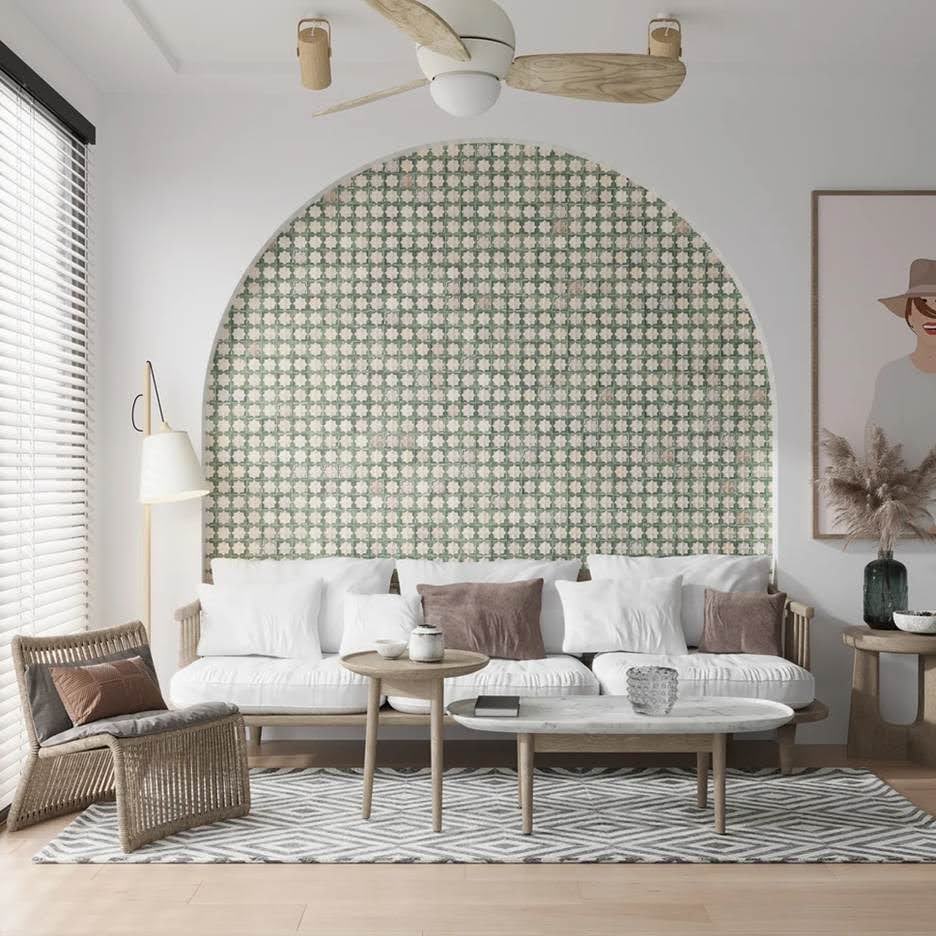
Hardwood brings a cozy, inviting atmosphere to any space. Its grain, earthy shades, textures, and tonal variations create an organic appeal. While natural wood can work well on walls, it may require more maintenance depending on the finish and surrounding conditions. Wood-look tiles offer an alternative, combining the appearance of natural hardwood with the practical qualities of porcelain or ceramic.
These tiles can create a defining backdrop behind a sofa or media console. Depending on the product, they may also be suitable for fireplace surrounds when the tile and installation system meet the relevant requirements. Pale oak tones complement airy interiors with cream upholstery and light furnishings, while deeper walnut shades create a richer backdrop for neutral furniture and warm lighting.
The shape and installation pattern also matter. Elongated planks installed vertically can draw the eye upward, helping the room appear taller. Horizontal installation creates a more grounded effect and emphasizes the width of the wall. For a contemporary interior, long rectangular tiles with subtle grain patterns can deliver a clean, streamlined finish.
2. Make a Sculptural Statement with Scallop Tiles
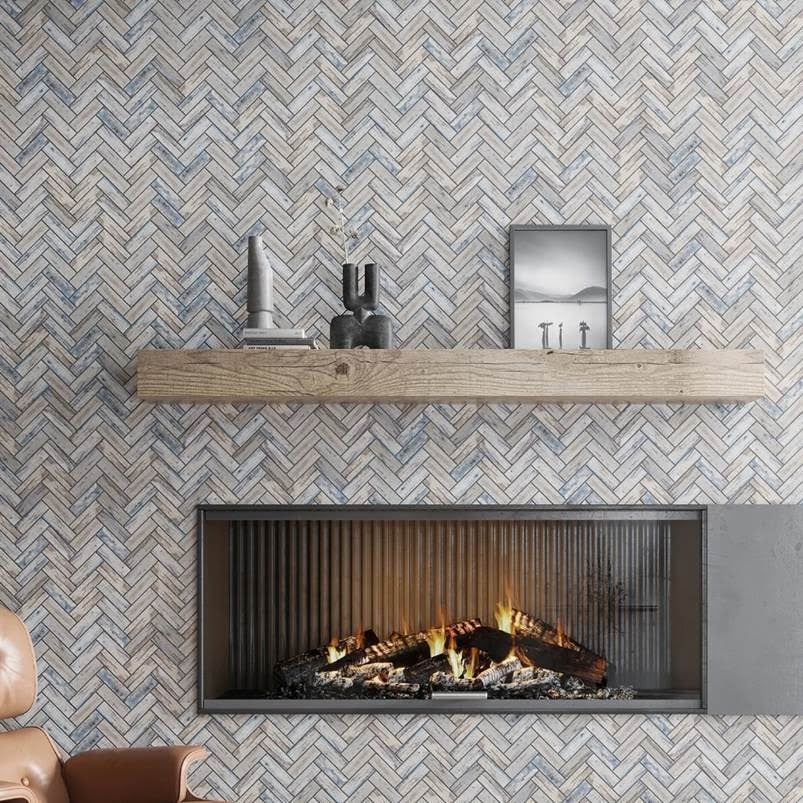
Square and rectangular tiles are easy to incorporate thanks to their familiar shapes and straight lines. More decorative silhouettes, however, can introduce a distinctive design element. Scallop tiles feature curved edges that form a repeating pattern, creating an accent wall with an eye-catching outline. The repeating fish-scale motifs add movement to a surface, making these tiles particularly suitable for sea-inspired designs and trending mermaidcore interiors. Depending on the color and finish, the overall effect can be elegant, bold, contemporary, or playful.
A pink-and-white scalloped tile accent wall in an otherwise traditional, wood-heavy living room can introduce a fresh contrast without competing with the other elements. For a more dramatic approach, jewel tones such as deep blue or forest green can create a striking focal point that complements Art Deco-inspired interiors or adds an unexpected twist to Gothic-inspired spaces.
Because scallop tiles already have a distinctive outline, restraint elsewhere usually pays off. Pair them with straightforward furniture silhouettes and avoid introducing too many competing patterns in the same area. This allows the curves and repeating shapes to remain the center of attention.
3. Bring Nature Indoors with Botanical Tiles
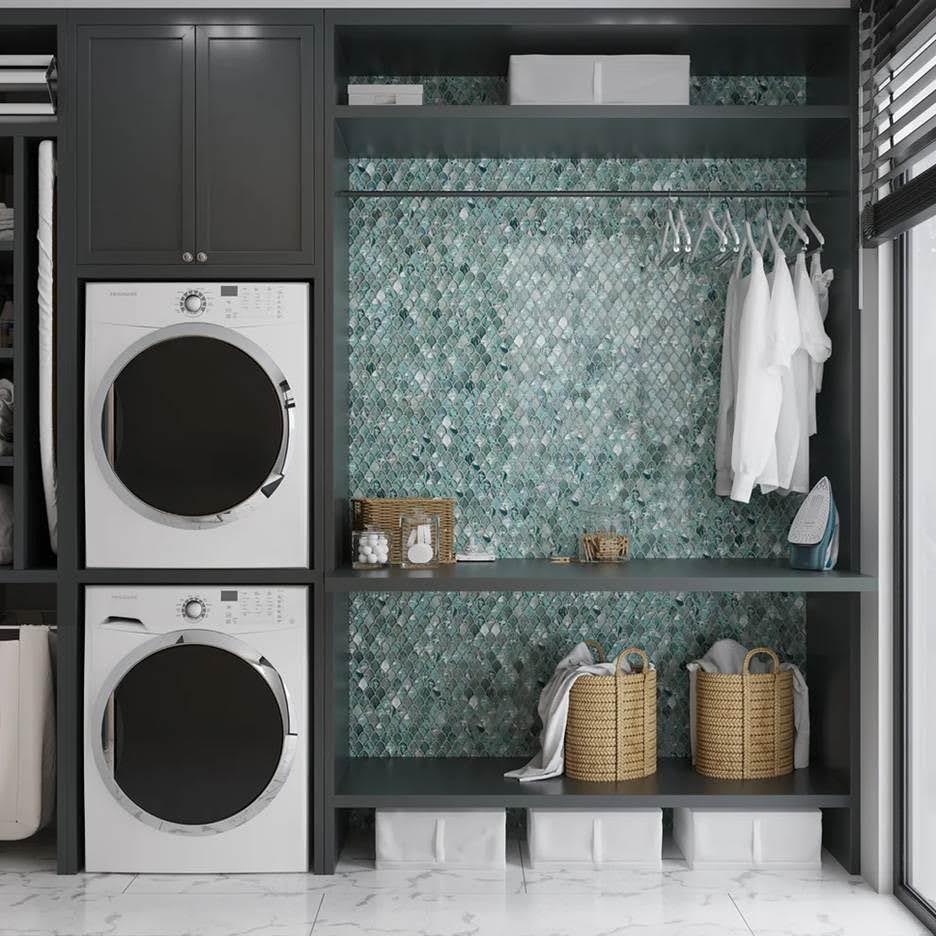
Indoor plants introduce a touch of nature to a room, adding greenery and visual freshness. Botanical or nature-inspired tiles can complement real plants, offering another way to incorporate creative biophilic interior design ideas into your living room. These tiles feature decorative patterns drawn from natural elements, including flowers, leaves, and branches. Designs range from delicate floral illustrations to oversized tropical foliage, with each creating a different atmosphere. Small, repeating motifs can appear traditional and understated, while large-scale botanical patterns make a more dramatic statement.
A nature-inspired accent wall can bring a sense of freshness to the living room, even when the other design elements are relatively simple. For a calm, relaxing space, consider foliage-inspired tiles in neutral or earthy palettes. These shades work well alongside linen upholstery, natural wood, woven accessories, and living plants. For a more decorative approach, explore Mediterranean-, Moroccan-, and Spanish-inspired tiles. These designs often combine floral details with geometric motifs to create richly layered patterns. They can introduce color, add visual interest, or highlight a particular area of the living room. When working with intricate designs, keep nearby furnishings and accessories relatively simple so the wall remains the focal point.
4. Create a Geometric Feature with Star and Cross Tiles
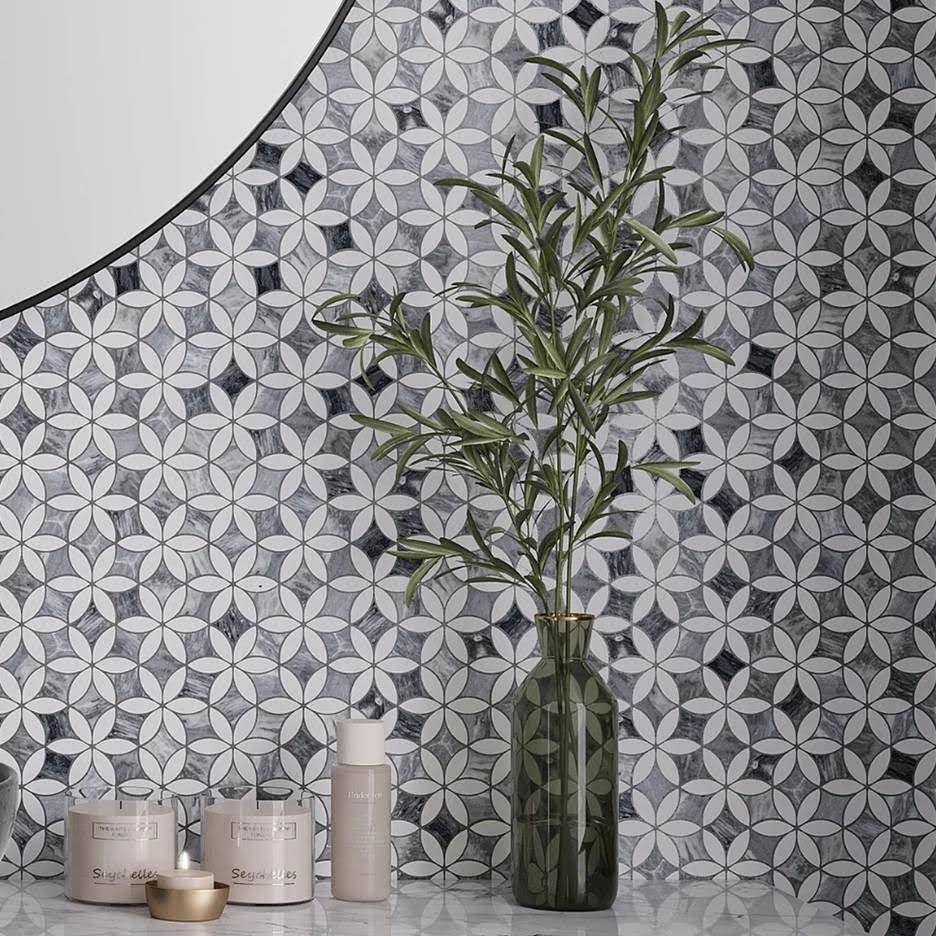
Star and cross tiles combine star-shaped and cross-shaped pieces to create a distinctive repeating pattern that differs from conventional tile grids. The two shapes fit together in an interlocking arrangement, producing a surface with a strong geometric rhythm. Their architectural patterns and classic forms make these tiles suitable for a range of interior styles, from industrial-inspired spaces to interiors that incorporate Rococo revival details.
Cream and beige combinations create an understated effect, while blue, green, or black-and-white designs introduce greater contrast. Terracotta-inspired tones can bring warmth to a room furnished with natural wood and earthy accessories. Star and cross tiles can also frame fireplaces, windows, or built-in shelves, helping to emphasize these architectural features. When selecting a design, consider the scale of the pattern in relation to the wall and the surrounding décor. Larger, more intricate patterns may work best on a defined feature wall, while simpler color combinations can complement a wider range of furnishings.
5. Design a Unique Accent Wall with Custom Tiles
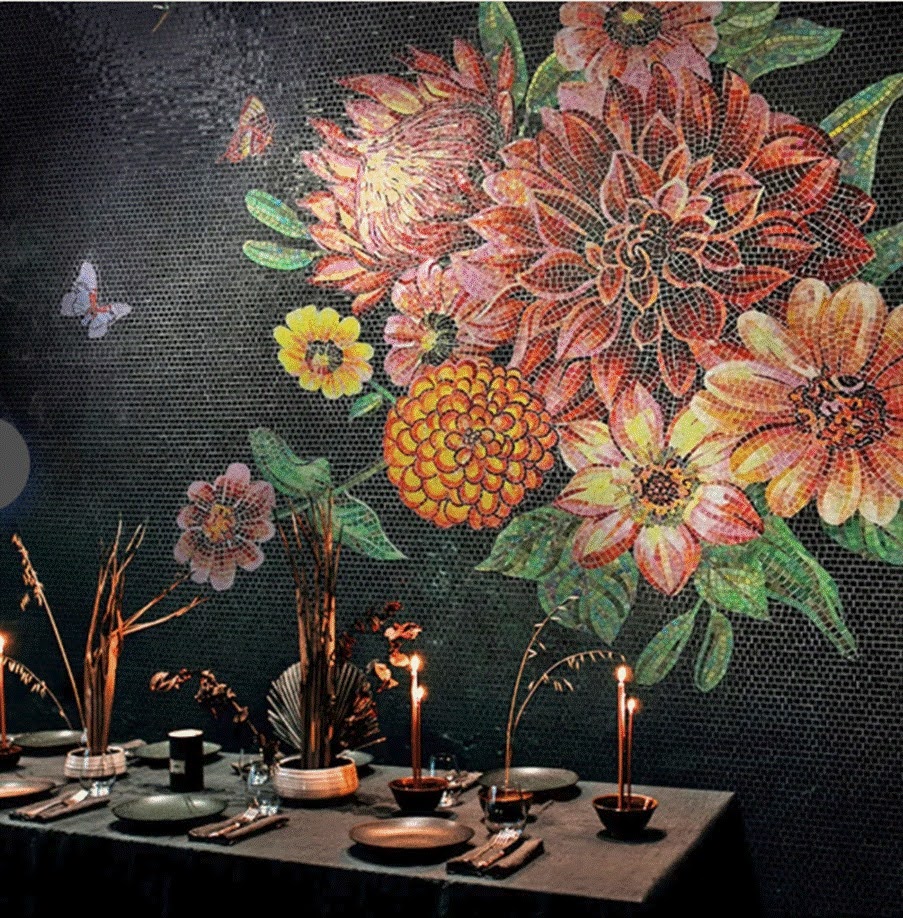
There are many ways to create an interesting accent wall, but the options available in standard tile collections may not always match your vision. Perhaps you want an abstract pattern, a mural inspired by a historical , or a specific combination of colors and textures. In these cases, personalized tile designs offer a way to build a feature wall around your own concept.
Custom tiles can be developed from a particular design, reference , or sketch, with material and color choices tailored to the intended wall. However, the final result depends on factors such as the complexity of the design, the materials available, production requirements, and installation methods. Custom tilework generally requires more planning than choosing tiles from a standard collection. Before production begins, discuss the design, dimensions, materials, installation requirements, timeline, and budget with the supplier. It is also worth requesting samples or design previews, where available, to help you assess how the colors and patterns will look in the intended space.
Give a custom feature wall enough breathing room. Too many shelves, frames, or decorative objects placed in front of an intricate mosaic can obscure its details. If the design is particularly elaborate, keeping the surrounding walls and furnishings relatively simple can help maintain visual balance and allow the craftsmanship to stand out.
A Wall That Reflects Your Style
The right tile accent wall can transform the character of a living room. Wood-look tiles bring warmth and an organic quality, scallop designs introduce curves, botanical patterns draw inspiration from nature, and star and cross tiles offer a more graphic finish. Custom tilework provides another option when standard collections do not include the design you have in mind.
Before choosing a tile, consider the atmosphere you want to create, the existing décor, the size of the wall, and the material’s maintenance requirements. Think, too, about how the pattern will interact with your furniture, lighting, and other finishes. With thoughtful planning and a balanced approach to the rest of the room, a tile accent wall can become a distinctive feature that complements your living space for years to come.
Comments are closed.