Bukelwa Monqo on Building Visibility, Access, and Impact for Overlooked Women
Bukelwa Monqo is not asking the question most people in her industry ask. While others focus on how to get into the room, she is focused on what you build once you are there. That distinction is not accidental. It is the philosophy behind Old Boys Club PR, a communications agency whose name deliberately references the informal networks and established systems that have historically concentrated access, influence, and opportunity in the hands of a few.
By naming her agency after the very structure she was working against, Bukelwa made a statement before she said a single word: she was not there to quietly join the system. She was there to build something better. With more than 15 years of experience in communications, she is the Founder and Managing Director of Old Boys Club PR, a communications agency whose work sits at the intersection of business, visibility, access, and impact. Through the agency and through initiatives like The Hot Seat, she is focused on turning access into opportunity and turning individual success into pathways for the women who come after her. She is not interested in building a legacy that stops with her. She is interested in building one that keeps going after she leaves the room.
In this conversation, Bukelwa opens up about the thinking behind Old Boys Club PR, what 15 years in communications has taught her about who gets visibility and who does not, what The Hot Seat is and why she felt compelled to build it, and what she wants every woman who has finally made it into the room to understand about her responsibility now that she is there.
Who Is Bukelwa Monqo?
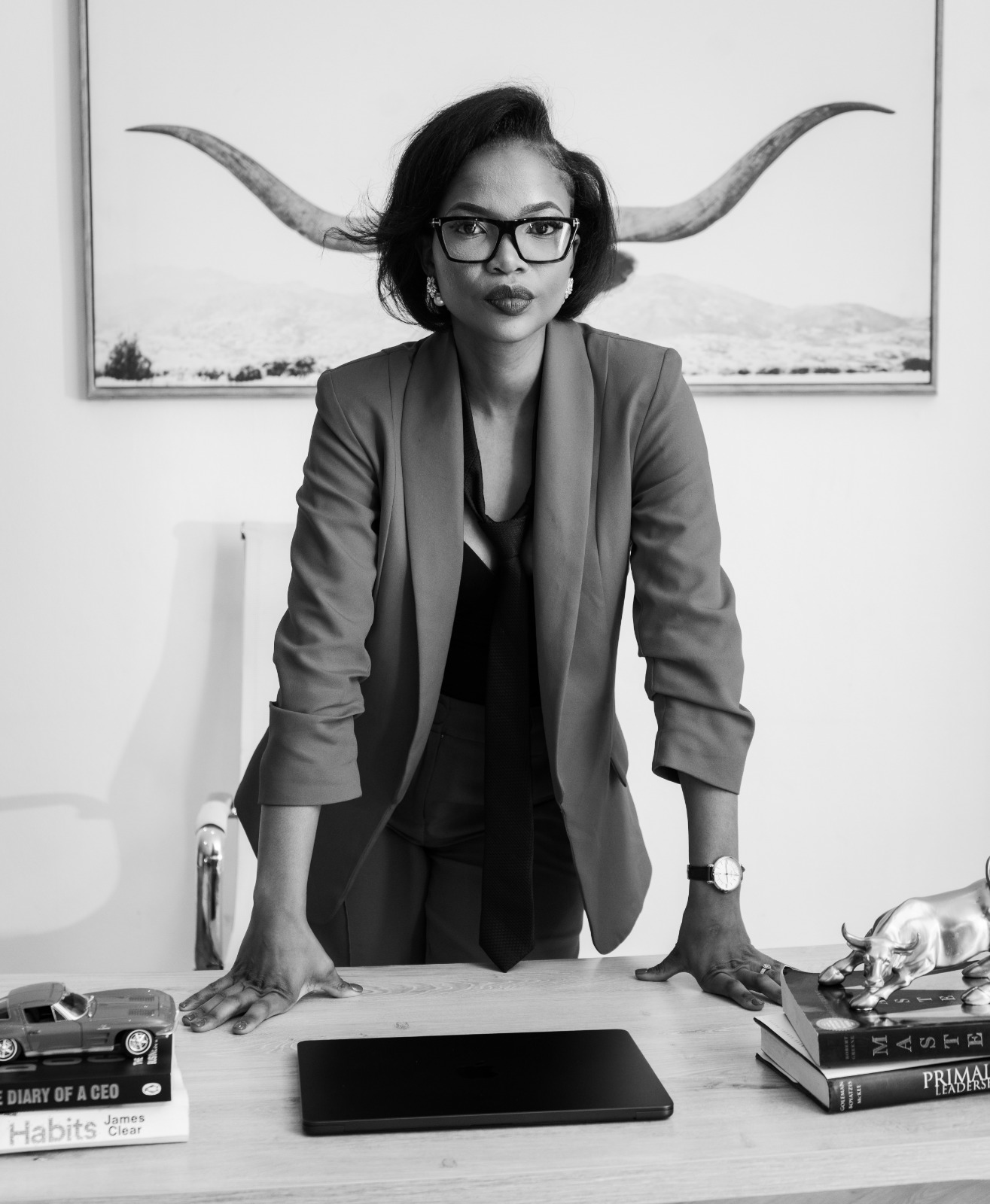
Before she was a founder, Bukelwa learned very early that opportunity can change the trajectory of a person’s life. She grew up in a family where education, hard work, and ambition were deeply valued. Her mother was a teacher and her father, who was always business minded, fostered a high drive for excellence. She was exposed to both the importance of knowledge and the world of business from a young age.
But she also became very aware of who gets seen, who gets heard, and who gets access. That awareness has followed her throughout her career. She has always been curious about people and their stories, and interested in what makes someone believe they can become something before they have any evidence that they can. That curiosity sits underneath everything she has built, whether it is Old Boys Club PR, The Hot Seat, or the work she does with young people.
At her core, she is a builder. She likes taking an idea that does not exist yet and asking, “What would happen if we actually created it?” And she has always had a strong belief that your success should not end with you. If you have access, you have a responsibility to create more access.
From Building Within Other Structures to Building Her Own
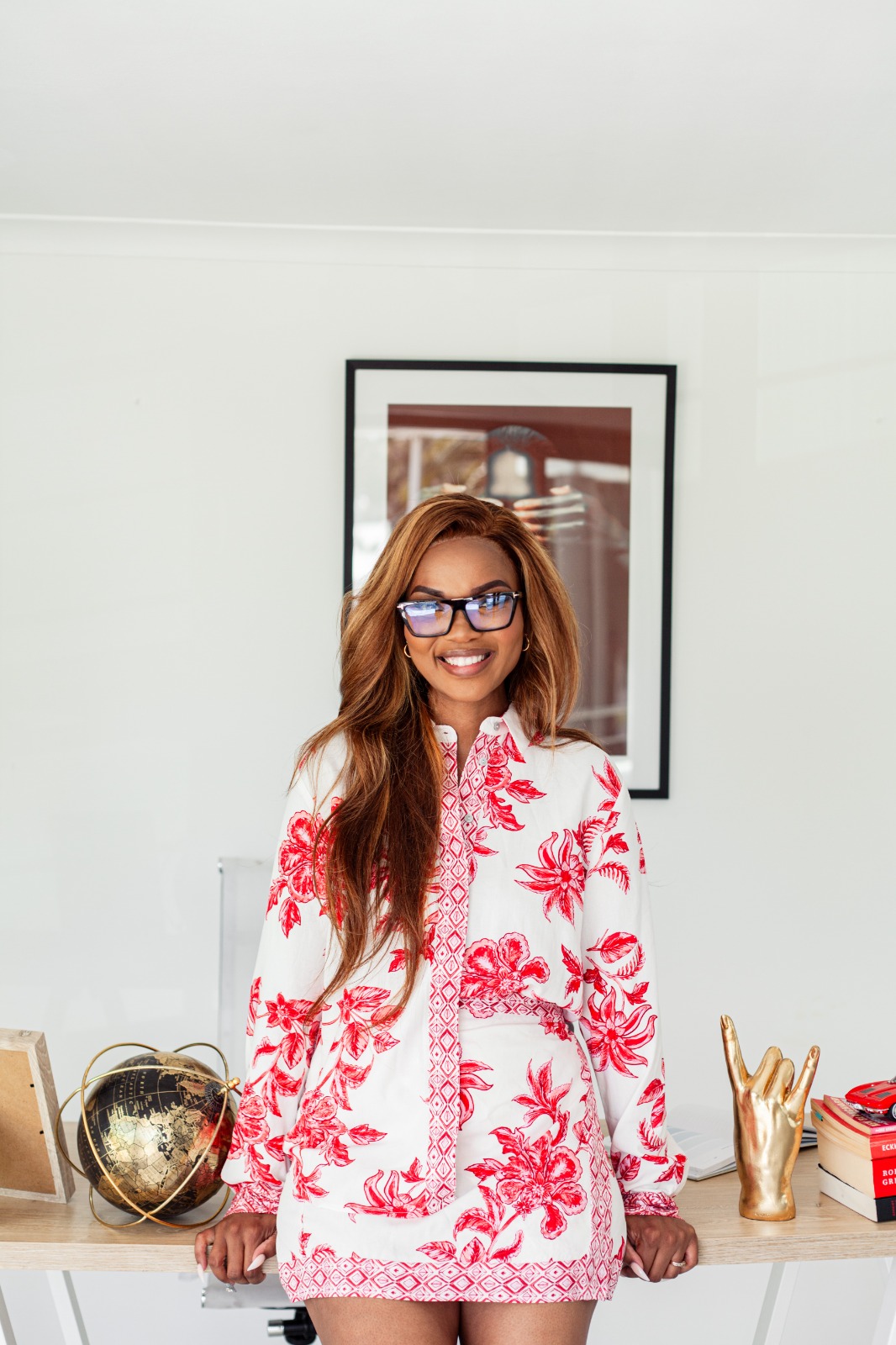
For a long time, Bukelwa was comfortable being successful within someone else’s structure. She had built a career, worked with incredible brands, and learned from some very smart people. But eventually she realised she had accumulated enough experience, relationships, and conviction to build something that reflected her own philosophy.
There was also a question she kept coming back to: if she knew how to build brands, reputations, and platforms for other people, why could she not build one of her own? Starting Old Boys Club PR was not about rejecting everything she had learned. It was about taking everything she had learned and giving herself permission to build differently. She wanted a business where she could be more intentional about the kind of work they take on, the relationships they build, the people they develop, and the culture they create.
There is a particular moment in entrepreneurship when you stop asking, “What is the opportunity available to me?” and start asking, “What opportunity can I create?” That shift was important for her.
The Meaning Behind the Old Boys Club PR Name
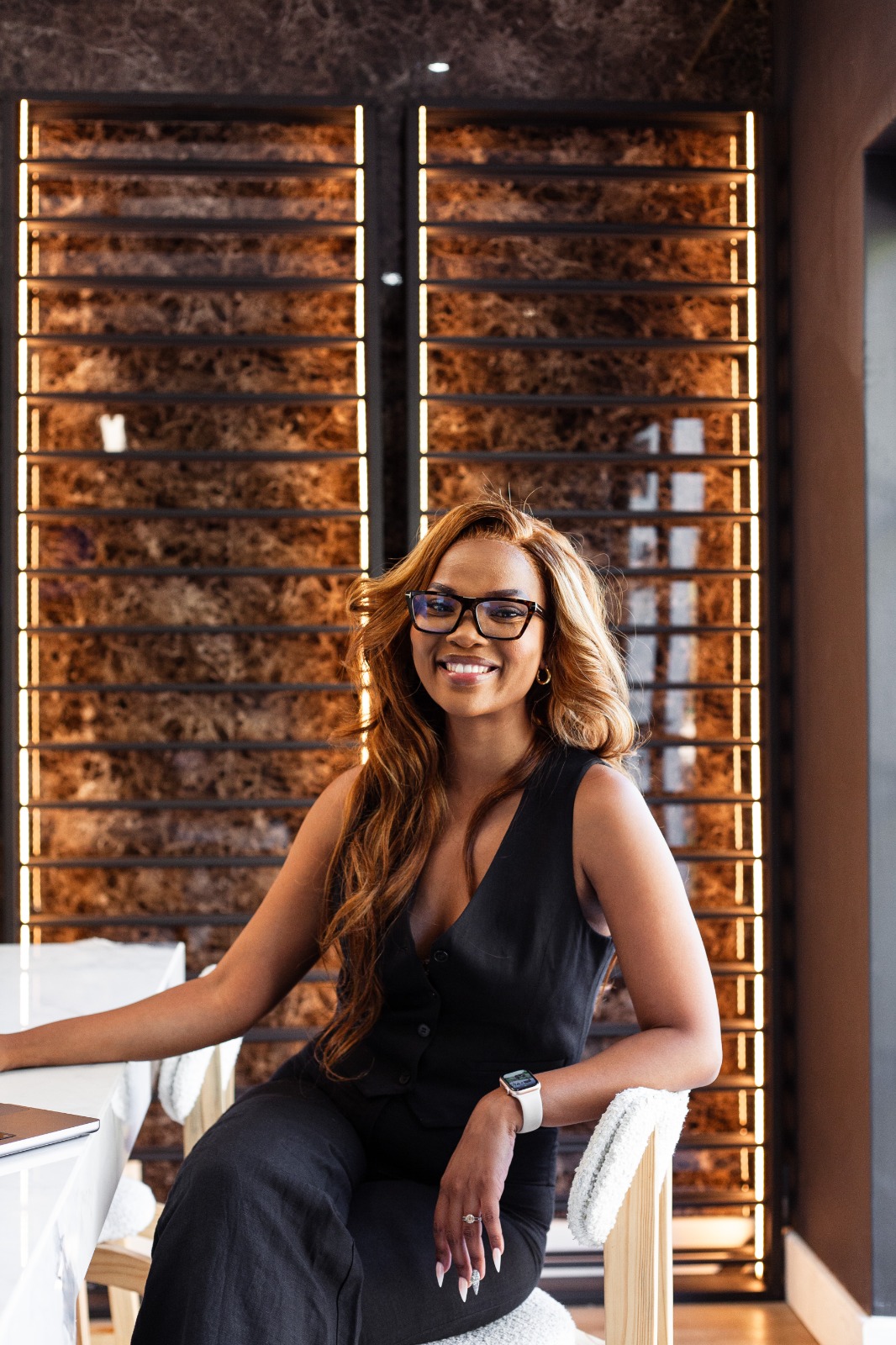
The name was intentionally provocative. At times you have to be comfortable with being the contradiction when you are creating something unconventional. The “old boys’ club” has historically represented a system where access is often determined by who you know, where you come from, and whether you already belong in the room. Bukelwa wanted to take that language and turn it on its head.
Old Boys Club PR is about saying: if networks are powerful, then let’s build networks that are more open. If access creates opportunity, then let’s create more access. For her, it is not about pretending networks do not matter. They absolutely do. Relationships are currency in business. The question is: who gets to participate in those networks?
So she wanted Old Boys Club to become its own kind of club, one built around relationships, ideas, collaboration, and opening doors. A place where young people can learn, where women can build influence, where talent can be discovered, and where your background does not determine whether you belong. The irony of the name is intentional. They took a phrase associated with exclusion and built a philosophy around expanding the room.
What Entrepreneurship Teaches That Corporate Roles Cannot
Entrepreneurship teaches you that there is nowhere to hide. In a corporate environment, there are structures around you: departments, budgets, processes, teams, and ultimately someone else carrying the responsibility for the business. When it is your business, the buck really does stop with you.
Bukelwa has learned that being good at what you do is not enough. You have to learn sales, finance, leadership, hiring, difficult conversations, strategy, resilience, and sometimes simply how to keep going when the numbers do not look the way you want them to. She has also learned that growth is uncomfortable. You have to constantly become a bigger version of yourself to lead the business you are trying to build. The skills that got you to one level are not necessarily the skills that will take you to the next.
Perhaps most importantly, she has learned that entrepreneurship is not about having all the answers. It is about being willing to make decisions with imperfect information, learn quickly, and take responsibility for the outcome.
Visibility, Relationships, and Networks as Forms of Access
Bukelwa believes we sometimes underestimate how much business happens through relationships. People tend to talk about merit as though opportunities simply arrive because you are good enough. But being good at what you do and being known for what you do are two different things. Visibility creates awareness. Relationships create trust. Networks create access.
Women need to understand that networking is not about collecting contacts or attending every event in the room. It is about building genuine relationships before you need something from someone. She also believes women need to become more comfortable being visible. We are often taught to let our work speak for itself. Of course the work matters, but someone has to know the work exists. You have to be willing to talk about your expertise, put your ideas into the world, introduce yourself, ask for the meeting, and sometimes make the first move.
She also believes women need to stop thinking about networks only in terms of what they can receive. Build relationships where you can also open doors for other women. Because the most powerful network is not one where everyone is trying to get through the same door. It is one where people are holding doors open for one another.
The Hot Seat: Giving Young People Proximity and Possibility
The Hot Seat gives young people their first opportunity to step into professional spaces and imagine themselves belonging there. Bukelwa’s own sense of possibility came from seeing people around her work hard and create lives for themselves. Her parents were both very hardworking people, and that gave her an early understanding that your circumstances do not have to define the size of your ambition. But she also knows what it feels like not to have all the answers about how to get from where you are to where you want to be.
That is why The Hot Seat matters to her. Sometimes young people do not need another motivational speech. They need proximity. They need to sit across from someone who is already doing something they aspire to do and realise, “Actually, this is a person. This is a career. This is a world I can enter.” She has always believed that exposure can change someone’s imagination.
When they create these opportunities for the seven-year-old bright spark or the teenager who had to drop out of school due to hard circumstances, they are not simply giving young people a seat at an event. They are giving them a reference point for what might be possible in their own lives. And hopefully, one day, they become the person sitting in that chair making the next young person believe they belong too.
Balancing Growth, Profitability, and Impact
Bukelwa has learned that impact without sustainability is difficult to maintain. As founders, we can become so focused on creating impact that we forget that the business itself needs to be healthy. Profitability is not the enemy of purpose. In many ways, profitability gives you the resources to make your purpose sustainable.
So she has become much more intentional about understanding the commercial side of the business: revenue, costs, people, margins, and where they are actually creating value. At the same time, she asks herself whether the business is creating value beyond the invoice. Are they developing people? Are they creating opportunities? Are they bringing different voices into rooms they may not previously have had access to?
She does not think every commercial decision has to be an impact initiative. Sometimes you simply need to run a good business. But she does believe that if you have a clear philosophy, it should show up in how you build the business, not just in the things you say about it.
Unlearning Old Ideas About Success
Bukelwa has had to unlearn the idea that success is about how much you can personally achieve. When you are building a career, there can be a lot of validation in being the person who knows the answer, wins the pitch, gets the client, or delivers the work. But when you are building an institution, that mindset can actually become a limitation.
The goal has to shift from “How much can I do?” to “What can I build that can exist beyond me?” That means learning to delegate. It means trusting other people. It means developing leaders rather than creating dependence on you.
She has also had to unlearn the idea that success always looks polished. Entrepreneurship can be messy. There are seasons where you are growing, seasons where you are rebuilding, and seasons where you are simply figuring things out. Success now means something different to her. It is less about proving that she can do something and more about building something that creates value long after she has done it.
What a Meaningful Legacy Looks Like
Bukelwa would like her legacy to be measured by the people who no longer need her to open the door because they learned how to open doors themselves. If Old Boys Club PR is successful, it should not only be remembered as an agency she founded. She wants it to have created people, communicators, entrepreneurs, creatives, and leaders who went on to build things of their own.
The same applies to the community work. She wants a young woman who sat in The Hot Seat years ago to eventually become the woman in the Hot Seat. She wants someone who once wondered whether they belonged in the room to eventually be the person inviting someone else into it.
Ultimately, she does not want her legacy to be a monument to her. She wants it to be a network of people who are better equipped, more confident, and more willing to create opportunities for others because they crossed paths with something she built. For her, that is the real measure of leaving the room: not whether people remember that you were there, but whether the room is different because you were.
Comments are closed.