Lula Wins Historic Fourth Term in Brazil, Defeats Flávio Bolsonaro
Luiz Inácio Lula da Silva has secured a historic fourth term as Brazil’s president, defeating far-right senator Flávio Bolsonaro in a dramatic comeback that reversed his first-round defeat. According to official results released Sunday, October 25, the 80-year-old incumbent took 51.79% of the vote to Bolsonaro’s 48.21%.
The outcome marks an unprecedented turnaround in Brazil’s presidential elections since the country returned to democracy in the 1980s. Lula becomes the first candidate to finish second in the first round and go on to win the runoff. The result has already stirred controversy, however, as Bolsonaro refused to concede and announced plans to seek the annulment of the election.
Lula Hails Victory as a Defeat for Denialism
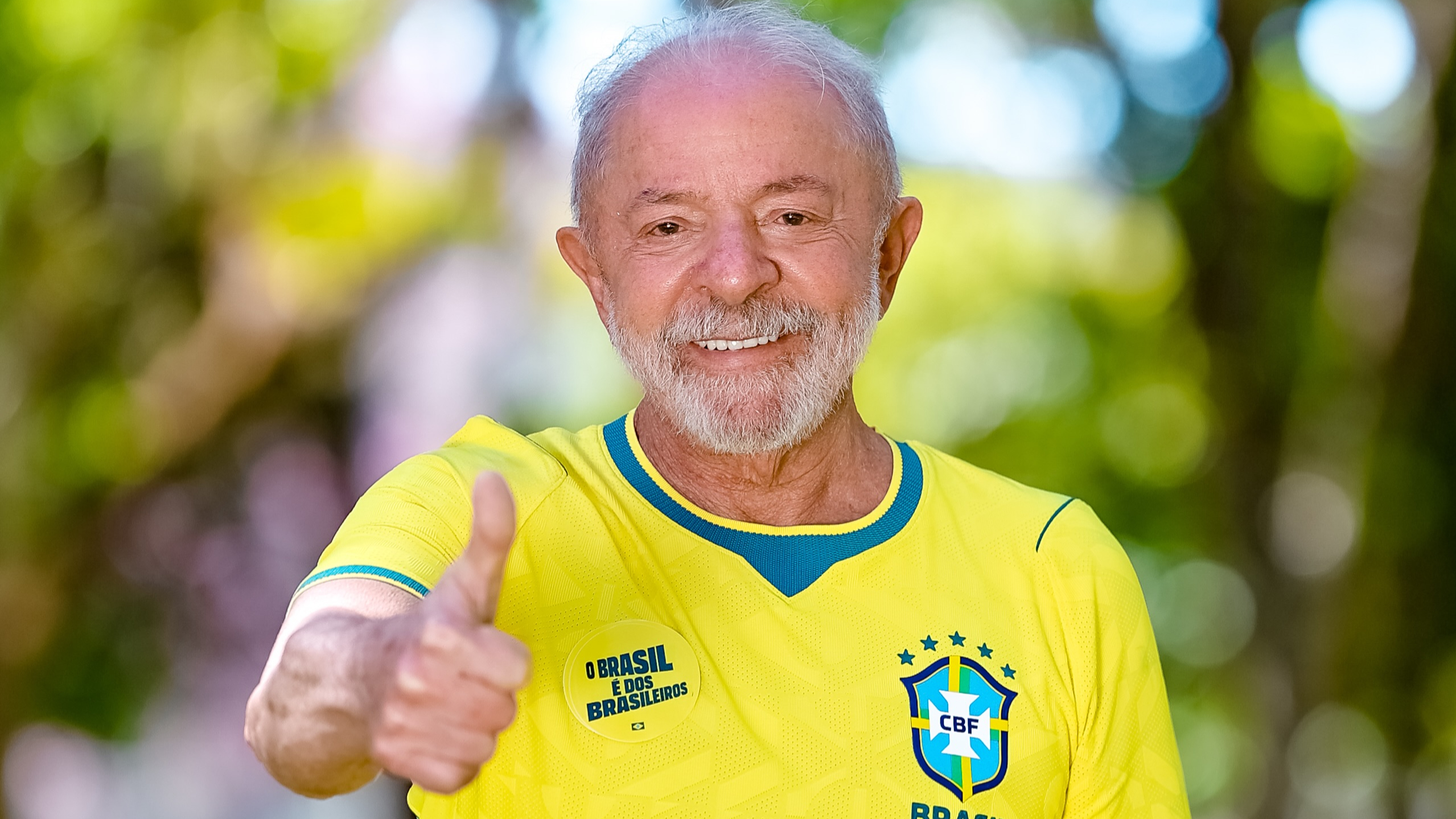
With all votes counted, Lula secured approximately 4.4 million more votes than his 45-year-old opponent, overcoming a narrow deficit from the first round earlier this month. Speaking to supporters in São Paulo after the electoral authority confirmed his victory, Lula described the outcome as a triumph for democracy and a rejection of political denialism.
“This election was a defeat for denialism,” Lula said, thanking Brazilian voters and pledging to change the way the country is governed.
Celebrations broke out across São Paulo and Rio de Janeiro, where thousands of supporters gathered following the announcement. Many wore red, the color associated with Lula’s Workers’ Party, as crowds celebrated the president’s return to office.
The result followed an intensive final campaign focused on increasing voter participation. Abstention fell from 21.08% in the first round to 19.21% in the runoff, helping Lula recover ground after his initial setback.
Flávio Bolsonaro Challenges Election Results
Flávio Bolsonaro refused to recognize the outcome, saying he would ask the courts to annul the election. The senator cited a Supreme Court decision extending voting hours at certain polling stations as the basis for his challenge.
Voting was extended by two hours amid concerns about disruptions to public transportation that could have prevented some voters from reaching polling stations. Lula had raised concerns about the alleged disruptions, while Bolsonaro argued that extending voting hours changed the rules during the election. However, Bolsonaro’s criticism did not acknowledge that his own campaign had also requested an extension.
The head of Brazil’s electoral court said the decision had not affected the results. It remains unclear whether Bolsonaro’s legal challenge will meet the requirements for annulling the vote.
His refusal to concede has nevertheless revived memories of the 2022 election, when his father, former president Jair Bolsonaro, rejected his defeat to Lula. Jair Bolsonaro is currently serving a 27-year prison sentence following his conviction over a plot to overturn the previous election.
How Lula Recovered From His First-Round Defeat
The Brazil 2026 elections initially appeared to threaten Lula’s bid for another term after Flávio Bolsonaro finished ahead of him in the first round. The result prompted an urgent campaign by Lula’s allies to mobilize supporters and persuade undecided voters.
The president’s campaign highlighted his record on social welfare, public health, education and environmental protection, while warning against a return to the politics associated with the Bolsonaro family. Lula also adopted a more direct social media strategy, using video selfies and other personal appeals to reach voters. Supporters organized rallies and encouraged family members, friends and neighbors to participate in the runoff.
Despite these efforts, the election exposed persistent dissatisfaction over the cost of living, public safety and the country’s economic outlook. Those concerns helped Bolsonaro maintain a competitive campaign even as Lula ultimately secured the presidency.
Lula Victory Deals Blow to Brazil's Far Right
Lula’s victory is a setback for Brazil’s far-right movement and its international allies, including U.S. President Donald Trump, who had hoped to see another conservative leader take power in Latin America. The result also preserves Brazil’s current left-wing leadership at a time when several countries across the region have experienced growing support for right-wing political movements.
International leaders congratulated Lula following the announcement. Mexican President Claudia Sheinbaum celebrated the outcome as a victory for democracy, while European Commission President Ursula von der Leyen highlighted opportunities to strengthen cooperation with Brazil on trade, climate policy and multilateral relations. Leaders from Canada, Spain and several Latin American countries also sent congratulatory messages, underscoring Brazil’s diplomatic importance in the region.
Lula Faces Economic and Political Challenges
Although the result secures Lula another four years in office, his next term is expected to be complicated by a deeply divided electorate and a Congress dominated by right-leaning lawmakers. The president will face pressure to sustain social welfare programs while addressing concerns over inflation, economic growth and public security. His administration must also contend with voters who supported Bolsonaro and remain opposed to the president’s political agenda.
Lula, who turns 81 on October 27, first became president in 2003 and served two consecutive terms before returning to office in 2023. His latest victory extends a political career that began with his work as a labor union leader in São Paulo’s industrial suburbs.
The Brazil 2026 elections have delivered a historic fourth term for Lula da Silva and a major defeat for Flávio Bolsonaro. However, Bolsonaro’s refusal to concede and the narrow margin between the candidates signal that Brazil’s political divisions will remain a central challenge for the incoming administration.
Comments are closed.