7 Ways Dettol Helps Nigerian Families Build Stronger Hygiene Habits
Raising children in Nigeria can feel like an extreme sport. One moment they are eating their vegetables; the next, they are splashing in a puddle of rainwater that has sat in front of the house for weeks. Since wrapping children in bubble wrap is not an option, building everyday hygiene habits is the best defence. For Global Handwashing Day 2026, the theme is “Be a Handwashing Hero.” Being a hero does not always require a cape; it means consistently practising proper hand hygiene to protect against illness and inspiring others to do the same. Here are seven ways Dettol and Reckitt are backing families to build healthier, germ-fighting households.
1. Teaching Children Early Through Hygiene Quest
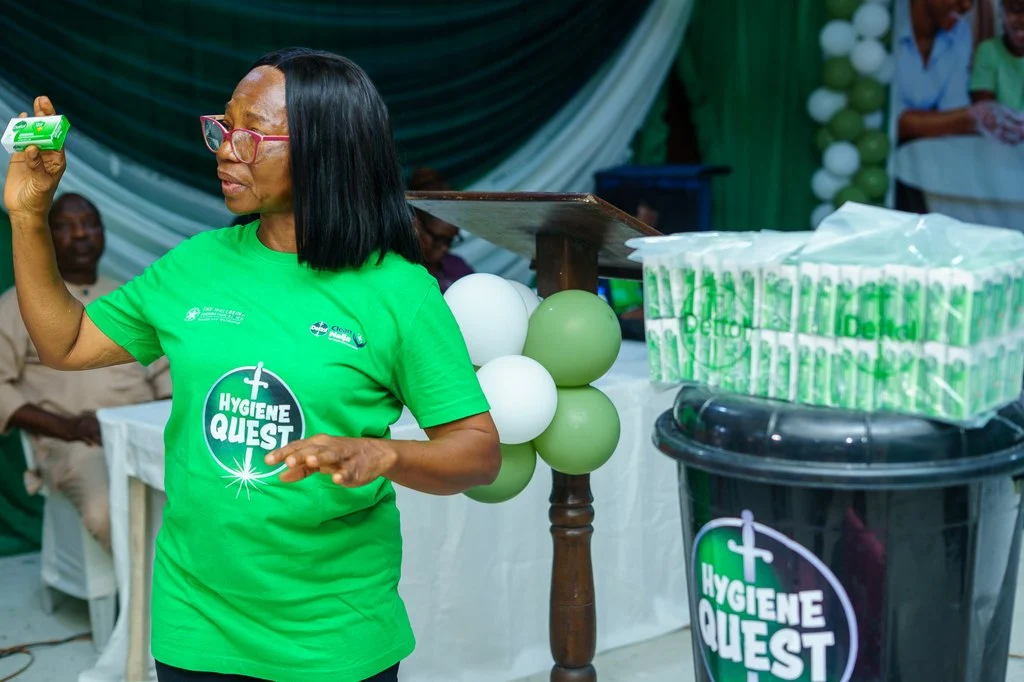
Children absorb knowledge quickly, and unfortunately, they can pick up germs just as fast. Through the Dettol Hygiene Quest, children are learning that handwashing is not a punishment but a superpower. By delivering practical hygiene education in schools and communities, the 2026 programme aims to reach 750,000 school children. The initiative is turning the simple act of washing hands into a lifelong, healthy habit.
2. Supporting Mothers Through the New Mums Programme
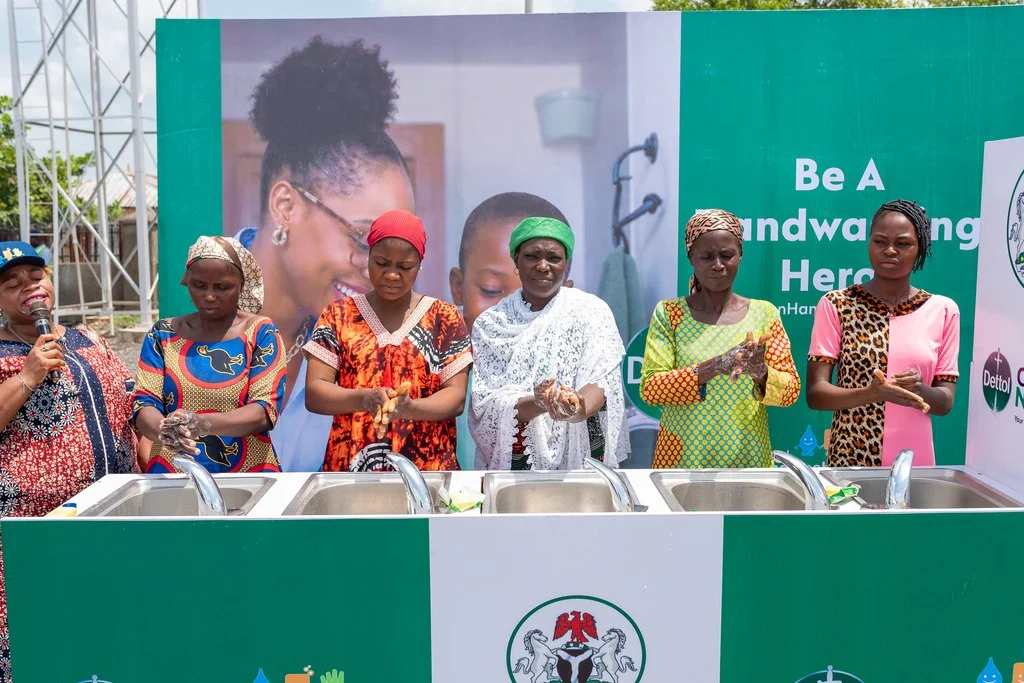
Mothers are often the original hygiene enforcers. Recognising this, Dettol’s New Mums Programme has been equipping expectant and new mothers with practical hygiene education. Since 2021, Dettol has reached over 1.2 million children and mothers in Nigeria, and the 2026 goal is to empower an additional 90,000 mothers to keep their homes protected.
3. Bringing Handwashing Action Directly to Schools
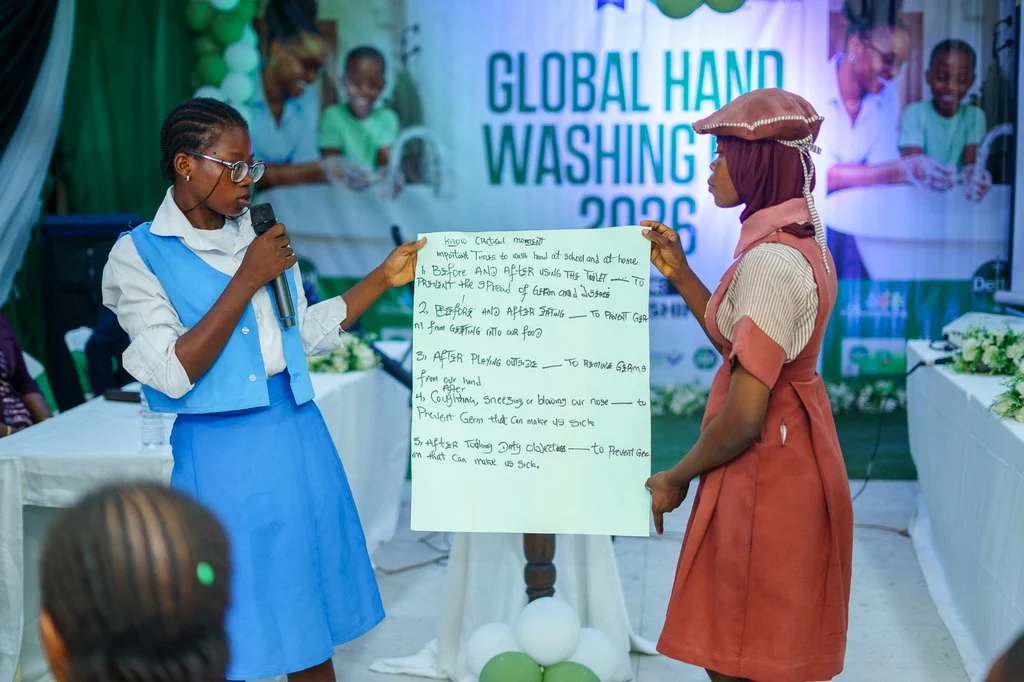
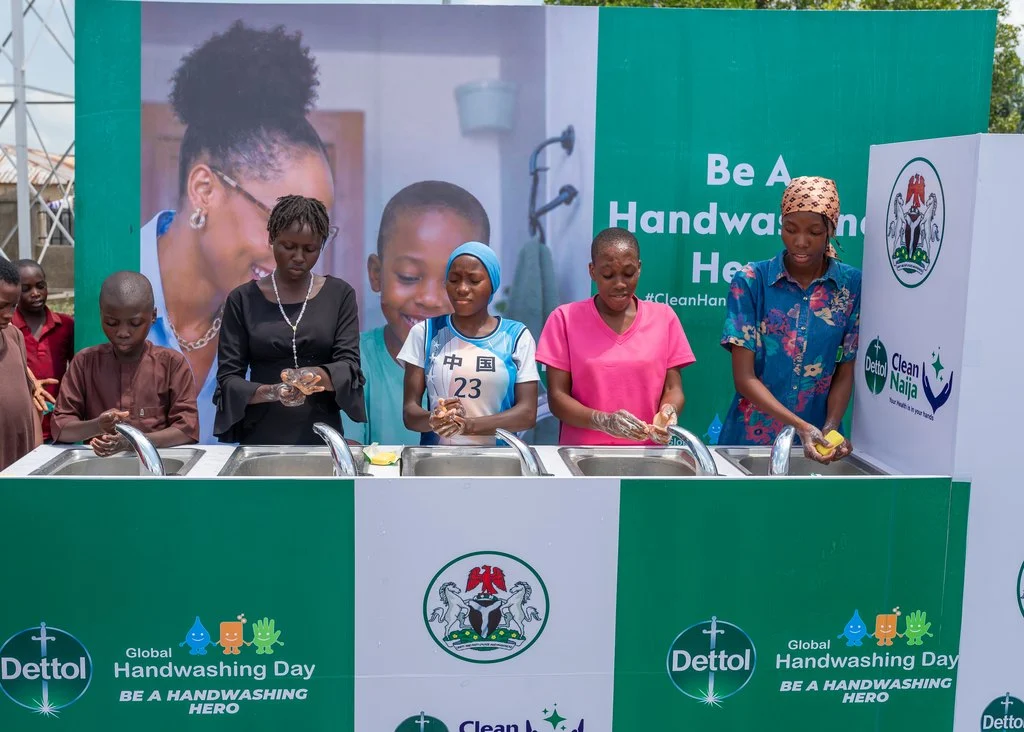
Telling children to wash their hands is not enough; they need to be shown how. Dettol teamed up with the Wellbeing Foundation Africa (WBFA) and the Federal Ministry of Water Resources and Sanitation for Global Handwashing Day activities across Lagos and Abuja. Through interactive group sessions, presentations, and handwashing demonstrations led by Reckitt employees, students actively learned how germs spread. To keep the momentum going, participating schools were equipped with handwash stations.
4. Seeing Health Changes in Participating Schools
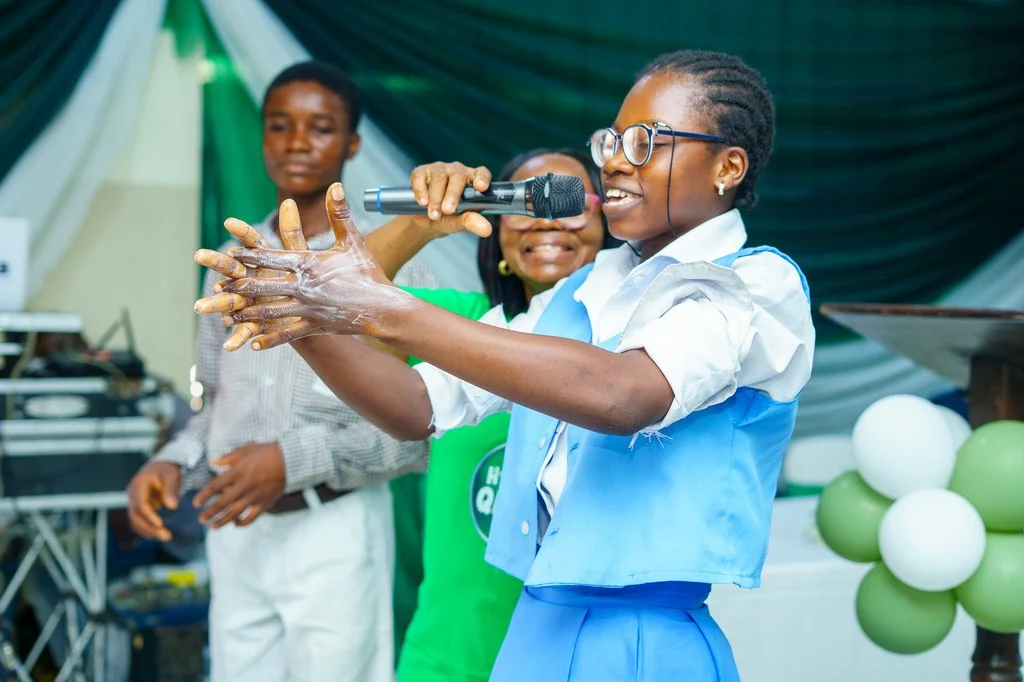
When communities practise good hygiene, the results speak for themselves. Following hygiene interventions, participating schools reported reductions in communicable diseases among students of 34% in Abuja, 22% in Kwara and 16% in Lagos. While these outcomes cannot be attributed to handwashing alone, they show the important role hygiene education and improved hygiene practices can play in creating healthier school environments.
5. Breaking Down the Water Access Barrier
Hygiene education cannot work if the taps are dry. Access to soap, clean water, and sanitation facilities is essential to sustain good hygiene. Moving beyond Dettol’s educational programmes, Reckitt has partnered with Water.org to address these practical barriers in homes and communities. This broader partnership has already reported reaching 8,900 people with improved access to water and sanitation.
6. Making Big Money Moves for Sanitation

Fixing infrastructure requires significant funding. Through its partnership with Water.org, Reckitt is stepping up to improve access to financing for water, sanitation, and hygiene (WASH) solutions. There is a proposed WASH financing facility through Sterling Bank.
7. Funding Local Innovators for Local Problems
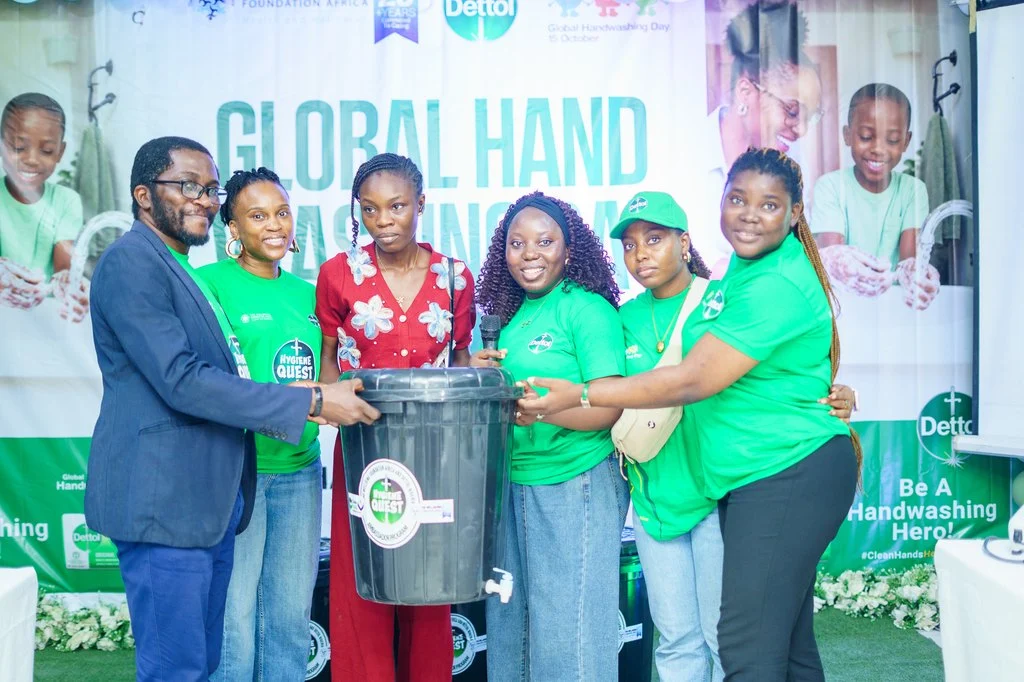
Sometimes the best solutions are homegrown. Reckitt Catalyst is investing heavily in local social entrepreneurs who are tackling hygiene and sanitation challenges from the ground up. Since its launch in Nigeria in 2023, the programme has supported more than 10 social entrepreneurs with over N85 million in seed funding. One standout result is a modular public sanitation facility commissioned by MN Environmental Services in Lagos. The facility is expected to serve over 30,000 commuters monthly, proving that local solutions are vital to addressing community needs.
Building Everyday Hygiene Habits Together
Keeping children germ-free is a full-time job, but as Dettol and Reckitt’s initiatives show, families do not have to tackle it alone. Being a Handwashing Hero is not done in a day; it involves making proper hand hygiene a consistent, everyday habit and encouraging the whole family to do the same. The next time you have to march your kids back to the sink for the third time before dinner, remember that you are doing the hero’s work. Grab that soap, turn on the tap, and keep saving the day, one wash at a time.
Comments are closed.