Yinka Ogunbiyi Unveils HaloBraid Robot That Assists Professional Hair Braiders
Nigerian-American engineer and entrepreneur Yinka Ogunbiyi has released a new demonstration of HaloBraid, a robotic device built to help professional stylists complete braided hairstyles more quickly. The braid-assist robot takes over the repetitive weaving once a stylist has started each braid by hand, offering a fresh approach to one of the beauty industry’s most time-intensive services.
Ogunbiyi developed HaloBraid with co-founder David Afolabi. The company has secured $7 million in seed funding and reports interest from more than 7,000 salons worldwide. According to HaloBraid, the device can finish individual braids up to five times faster than manual braiding, potentially cutting salon appointment times in half while reducing some of the physical demands on professional braiders.
How the HaloBraid Robot Fits Into a Braiding Appointment
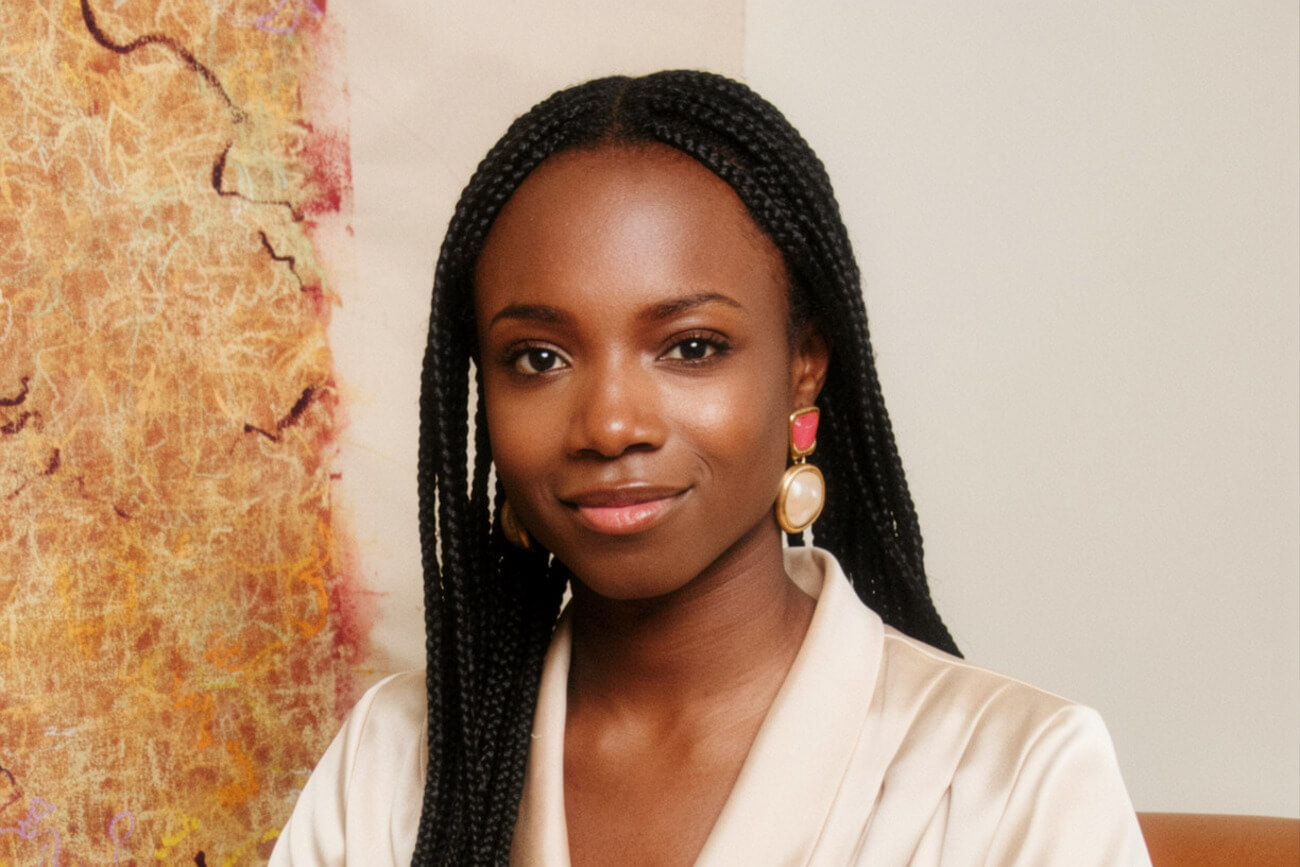
The newly shared demonstration shows how the technology works within a traditional braiding session without removing the stylist from the process. The professional begins by sectioning the client’s hair, applying the necessary products, and creating the initial braid by hand. The hair is then fed into the device, which takes over the repetitive weaving along the length of the braid. After the machine completes that stage, the stylist returns to finish and secure the ends according to the requested style.
This method allows the professional to keep control over the finished hairstyle while handing off a time-consuming portion of the work to the machine. According to the company, HaloBraid is designed to support professional hairstylists rather than replace them. Its approach acknowledges that braiding involves more than repetitive movements, requiring attention to hair texture, tension, neatness, and the client’s preferred finish.
The company says the device can complete individual braids up to five times faster than conventional manual braiding. The extent of the time savings across an entire appointment will depend on the style and the number of braids required.
A Personal Experience Inspired the Invention
Ogunbiyi’s motivation for developing the technology comes from years of personal experience with braided hairstyles. She has recalled sitting between her mother’s legs at age four while her hair was being braided and spending thousands of hours in the salon chair throughout her life. During the COVID-19 pandemic, she attempted to install her own protective knotless braids and reportedly spent four days completing the process. That experience prompted her to consider how engineering could address the time and physical effort involved in braiding.
As a biomechanical engineer, Ogunbiyi approached the challenge as an opportunity to develop a practical tool for an industry where many tasks still depend heavily on manual labor. She subsequently worked with Afolabi to develop HaloBraid, bringing together engineering and the experience of professional hairstylists. In explaining the motivation behind the invention, Ogunbiyi said the company was built for her mother, her stylists, her aunts, and people around the world who understand what it means to spend hours getting their hair braided.
HaloBraid Secures $7 Million in Seed Funding
The startup’s development has attracted backing from several investors. Its $7 million seed funding round was led by Seven Seven Six, the venture capital firm founded by Reddit co-founder Alexis Ohanian. AlleyCorp and Bling Capital also participated in the round. The investment is expected to support the company’s development and commercial rollout.
HaloBraid has also attracted interest from more than 7,000 professional salons, according to previously reported company figures. That interest points to potential demand for tools that help salons manage lengthy appointments and reduce the repetitive physical work involved in protective hairstyling. However, the number of salons on the waiting list does not necessarily represent confirmed purchases or active use of the device.
What the Braid-Assist Robot Could Mean for Salons
The braid-assist robot arrives at a time when businesses across industries are exploring ways to use automation without eliminating the role of skilled workers. In professional hairstyling, the potential benefit lies in allowing braiders to spend less time on repetitive movements while maintaining control over the details that define a finished style.
If HaloBraid delivers consistent results in everyday salon settings, shorter appointments could help professionals manage their schedules and potentially serve more clients. Reducing repetitive hand movements could also help address some of the physical strain associated with long hours of braiding. Still, its long-term impact will depend on how well the technology performs across different hair textures and braiding styles, as well as its practicality within existing salon routines.
For Ogunbiyi, the latest demonstration brings greater visibility to an invention rooted in a familiar experience shared by millions of people. With HaloBraid attracting investor backing and substantial salon interest, the company’s next challenge is to establish how effectively its technology can move from demonstration to regular professional use.
Comments are closed.