9 Fully Funded Scholarships Nigerians Can Apply For This October
For many young Nigerians, the dream of earning a master’s or PhD abroad feels out of reach because of the cost. But every year, thousands secure fully or partially funded scholarships to study at top universities around the world. This guide breaks down nine high-value scholarships currently open or opening soon, what they cover, who is eligible, and how to position yourself to win one.
1. Erasmus Mundus Joint Master's (EMJM) Scholarship
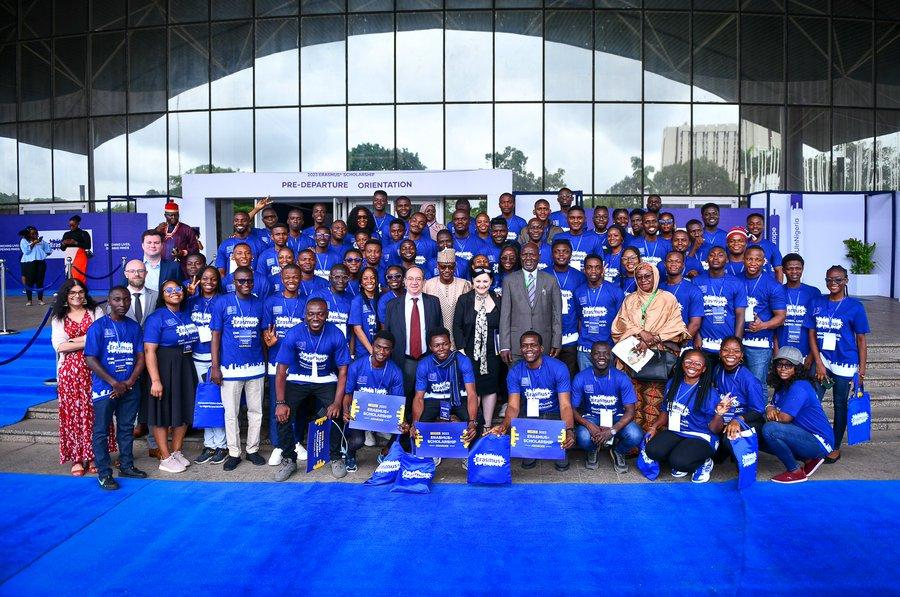
Funded by the European Union, the Erasmus Mundus Joint Master’s programme allows you to study in at least two, sometimes three or four, European countries through a consortium of top universities. You graduate with a joint or double degree.
What the funding covers
- 100% tuition fees
- Monthly living stipend of €1,400 for up to 24 months
- Up to €4,000 annually in travel and installation grants
- Comprehensive medical insurance across all host EU countries
Who can apply?
Anyone with a recognised Bachelor’s degree, including final-year undergraduates. There is no strict age limit. More than 200 master’s consortia are available, covering fields such as Data Science, Renewable Energy, Public Policy, Food Innovation, and Marine Biology.
Details you need to know
- Application Window: Varies by programme track; check the track website.
- Language Requirements: Many programmes accept an official English Medium of Instruction (MOI) letter from English-speaking African universities, though some tracks may require IELTS/TOEFL.
- Pro Tip: You can apply to multiple Erasmus Mundus programmes in a single application cycle.
- Official Portal: erasmus-plus.ec.europa.eu
2. United Kingdom (UK) Chevening Scholarship
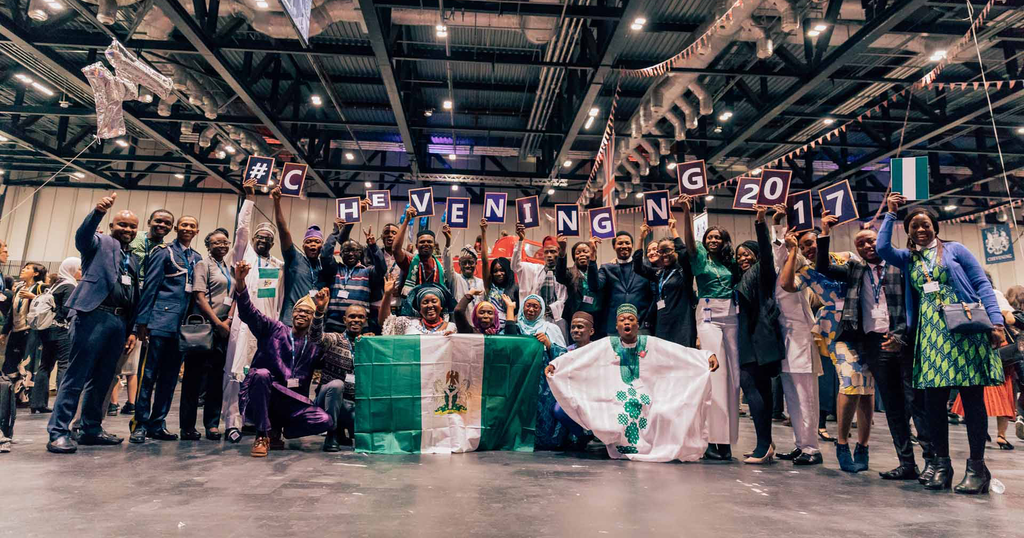
Funded by the UK Foreign, Commonwealth & Development Office (FCDO), Chevening targets future leaders, decision-makers, and opinion-shapers. Unlike scholarships that focus strictly on academic transcripts, Chevening evaluates your leadership potential and networking skills. They want to know what you have built, led, or transformed in your home country and how a UK master’s degree will help you scale that impact when you return.
What the funding covers
- Full tuition fee coverage (no cap for most courses)
- Monthly living allowance (£1,300–£1,600 depending on whether you study inside or outside London)
- Return economy flights to the UK
- Visa fees and an arrival allowance
Who can apply?
Applicants with a recognised undergraduate degree equivalent to a UK 2:1 or First Class, at least two years (2,800 hours) of demonstrable work, volunteer, or internship experience, and a commitment to return to their home country for at least two years after graduation.
Details you need to know
- Application Window: August to November.
- Eligible Programs: Any eligible one-year taught Master’s degree at any university across the UK.
- Key Requirement: Four mandatory 500-word essays covering Leadership, Networking, UK Study Choices, and Career Goals.
- Official Portal: chevening.org
3. Wageningen University, Africa Scholarship Programme (Netherlands)
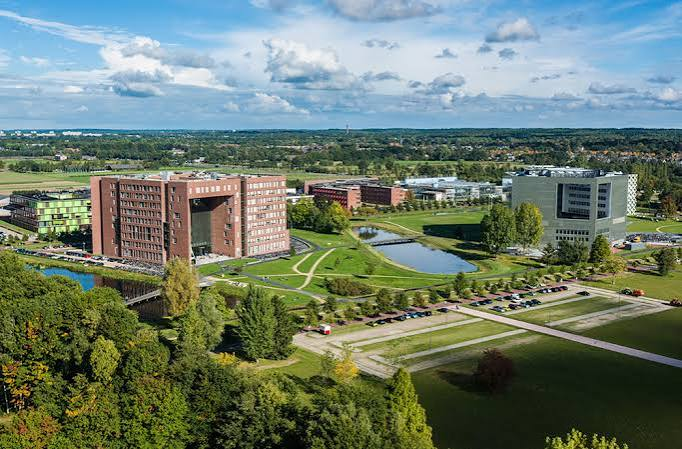
Wageningen University & Research (WUR) in the Netherlands is regularly ranked number one in the world for agricultural and environmental studies. Its Africa Scholarship Programme (ASP) is designed specifically for talented African students in fields such as Agriculture, Food Technology, Environmental Science, Biotechnology, and Climate Change.
What the funding covers
- Full tuition fee coverage for the full 24-month Master’s duration
- Monthly living allowance
- Round-trip flight tickets between your home country and the Netherlands
- Visa costs and comprehensive Dutch health insurance
Who can apply?
Citizens of an African country holding a First-Class Honours degree (or a GPA equivalent to 80% and above) who have secured unconditional admission to an eligible on-campus MSc programme at Wageningen.
Details you need to know
- Application Deadline: December 1. You must submit your full MSc application along with all degree certificates and English proficiency proofs before this date.
- Selection Style: Eligible candidates who secure unconditional admission before December 1 are shortlisted by the university committee, and final scholarship recipients are chosen via a competitive lottery.
- Official Portal: wur.nl/en/education/master/scholarships
4. Swedish Institute Scholarship for Global Professionals (SISGP)

Sweden is a top destination for innovation, sustainability, and gender equality. The Swedish Institute (SI) Scholarship is designed for ambitious professionals who want to pursue a master’s degree while connecting with a global network of sustainable development leaders.
What the funding covers
- 100% tuition coverage paid directly to the Swedish university
- Monthly living stipend of 12,000 SEK (approximately €1,050)
- One-time travel grant of 15,000 SEK
- Mandatory membership in the SI Network for Future Global Professionals (NFGP)
Who can apply?
Citizens of eligible countries (including Nigeria, Ghana, Kenya, and South Africa) who have accumulated a minimum of 3,000 hours of demonstrated work experience, leadership engagement, or civil society involvement.
Details you need to know
- The Two-Step Process: Apply for up to four eligible Master’s programmes via Sweden’s central application portal (universityadmissions.se) between mid-October and mid-January. Then apply separately for the SI Scholarship via the SI portal during a tight 14-day window in February.
- Strict Documentation: SI provides very specific, standardised templates for CVs, proof of work experience, and reference letters. Using a generic CV format will lead to immediate disqualification.
- Official Portal: si.se/en/apply/scholarships
5. DAAD EPOS Scholarship (Germany)
Germany is already known for charging zero tuition fees at public universities, but the DAAD EPOS (Development-Related Postgraduate Courses) scholarship takes things further: they pay you to earn your degree. Funded by the German Federal Ministry for Economic Cooperation and Development (BMZ), EPOS targets young professionals from developing nations focused on local structural growth, governance, engineering, and healthcare.
What the funding covers
- Monthly stipend of €934 for Master’s candidates (and €1,200 for PhD scholars)
- International travel grants
- Medical and accident insurance
- Research allowances
- Mandatory, fully paid German language training prior to your academic programme
Who can apply?
Candidates holding a recognised Bachelor’s degree earned within the last six years and at least two years of relevant post-graduation professional experience in a ministry, Non-Governmental Organisation (NGO), state agency, or private enterprise related to development.
Details you need to know
- Application Deadlines: August to November (deadlines vary by specific master’s course).
- Language Requirements: Courses are taught in English or German. English-taught programmes require IELTS/TOEFL scores or official university proof of English-medium instruction, depending on the host institution.
- Official Portal: daad.de
6. Commonwealth Master's & PhD Scholarships (UK)
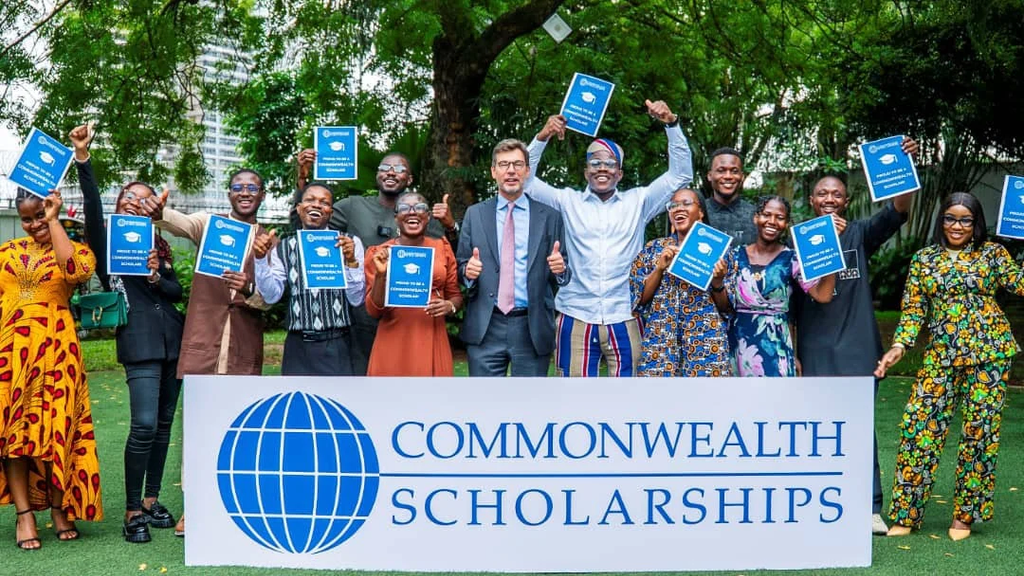
If you are a citizen of a Commonwealth nation such as Nigeria, Ghana, Kenya, or Uganda, the UK Commonwealth Scholarship Commission (CSC) offers one of the most reliable routes to postgraduate study in Britain. This scholarship places heavy emphasis on developmental impact: how will your chosen degree help solve challenges like poverty, public health crises, or infrastructure deficits in your home country?
What the funding covers
- Full tuition
- Monthly living allowance (£1,347 per month, or £1,652 for universities in the London area)
- Return economy airfare
- Thesis grants and study travel allowances
- A specialised warm clothing allowance for winter
Who can apply?
Citizens or permanent residents of Commonwealth countries holding a First Class or Second Class Upper (2:1) undergraduate degree who cannot afford to study in the UK without scholarship assistance.
Details you need to know
- Application Window: September to December.
- Application Routes: You can apply directly through the CSC portal or through designated “Nominating Agencies” such as national ministries of education or approved non-governmental organisations.
- Development Themes: Your programme must align with one of six primary themes, including Science and technology for development; Improving population health, health systems and capacity; Promoting innovation and entrepreneurship; Strengthening peace, security and governance; Strengthening resilience and response to crises; and Access, inclusion & opportunity.
- Official Portal: cscuk.fcdo.gov.uk
7. Gates Cambridge & Rhodes Scholarships (Oxford & Cambridge)
For candidates with stellar undergraduate records, deep intellectual curiosity, and exceptional leadership portfolios, the two most prestigious individual university awards in the world open their portals this period.
- Gates Cambridge Scholarship: Founded by a $210 million donation from the Bill & Melinda Gates Foundation to the University of Cambridge.
- Rhodes Scholarship: The world’s oldest international scholarship, bringing outstanding postgraduate scholars to the University of Oxford.
What the funding covers
Both scholarships cover 100% of Oxford or Cambridge composition fees, provide an annual personal living allowance (approximately £19,000–£20,000), cover visa and health surcharge costs, and fund round-trip travel.
Who can apply?
Graduates with an exceptional academic record (typically First Class or top-of-the-class standing) alongside proven civic engagement, moral character, and strong leadership instincts.
Details you need to know
- Application Window: September to October/early November.
- Selection Process: Requires rigorous academic proposals, multiple essays, and intensive panel interview rounds for shortlisted candidates.
- Official Portals: gatescambridge.org | rhodeshouse.ox.ac.uk
8. Mastercard Foundation Scholars Program
The Mastercard Foundation Scholars Program is explicitly engineered to train next-generation African leaders. Rather than operating from a single centralised site, the Foundation partners with elite global and continental universities, including the University of Edinburgh, McGill University, Sciences Po, the University of Cambridge, and the University of Oxford.
What the funding covers
- Full tuition fees
- Student housing
- Monthly living allowances
- Learning materials
- Comprehensive health insurance
- Round-trip international flights
- Structured leadership and career transition mentoring
Who can apply?
Young African nationals with proven academic capability who face significant socio-economic barriers or financial need, and who demonstrate a commitment to community upliftment and returning to work in Africa.
What you need to know
- Application Window: October to January (varies by partner university).
- How to Apply: Apply directly through the partner university’s dedicated Mastercard Foundation scholarship portal during its graduate admissions cycle.
- Official Portal: mastercardfdn.org
9. Swiss Government Excellence Scholarships
If your goal is to pursue advanced scientific research, a PhD, or a post-doctoral fellowship in Europe, Switzerland hosts some of the world’s most elite research hubs, such as ETH Zurich and EPFL. The Swiss Confederation awards Government Excellence Scholarships annually to foster international scientific exchange.
What the funding covers
- Full tuition fee exemption
- Monthly scholarship grant (CHF 1,920 for PhD candidates)
- Housing allowances
- Mandatory Swiss health insurance
- Return flight support
Who can apply?
Postgraduate researchers and Master’s degree holders under the age of 35 who hold a recognised Master’s degree, a strong academic standing, and a detailed research proposal.
Details you need to know
- Key Requirement: You must secure a formal letter of acceptance from a host professor at an eligible Swiss public university before submitting your scholarship package.
- Application Window: September to November (submitted through Swiss embassies in home countries).
- Official Portal: sbfi.admin.ch
How to get your application ready before the portals close
Knowing which scholarships are open is only 20% of the battle. The remaining 80% comes down to execution. Here is how to ensure your application does not get thrown into the rejection bin.
1. Get all your documents in order now
Do not wait for portals to open before requesting official academic transcripts from your undergraduate institution. If your university takes three weeks to process transcript requests, start today. Gather your degree certificates, statement of results, birth certificates, and passport copies in a single, well-organised, easily accessible folder.
2. Address English proficiency early
While many European and UK institutions accept a Medium of Instruction (MOI) letter confirming that your undergraduate degree was taught in English, major programmes such as Wageningen, the Swedish Institute, or Oxford/Cambridge have strict IELTS/TOEFL requirements. Check the official requirements for your target course immediately so you are not caught off guard.
3. Inform your referees in advance
Your lecturers, professors, and former line managers are busy people. Reach out to them early with your CV, academic summary, and a quick outline of the scholarships you are applying for. Giving your referees a clear three-week window to submit recommendation letters prevents missed deadlines.
4. Use AI wisely
Selection committees read tens of thousands of essays every single cycle. If your Statement of Purpose sounds like generic AI filler, your application will be dismissed. Tell a clear, grounded story: What problem did you see? What did you do about it? Why this specific programme? And what will you build when you finish?
The application window may seem short, but the payoff can alter the trajectory of your life. Pick your target programmes, organise your documents, and get your applications in early; your future self will thank you for taking the leap today.
Comments are closed.