Annitah Raey: The Girl Who Became a Wife at 17 Before She Could Grow Up
Annitah Raey was still a girl when she became a wife at 17. Before that, she was a young person who wanted the freedom to be herself. She dressed like her father, resisted what was expected of girls, and held on to an independence that made her believe she could find her own place in the world.
But beneath that rebellious exterior was a girl carrying pain. She was struggling with a strained relationship at home and felt so unseen that she sometimes questioned whether there was any room for her in the world at all.
When she met the man she would marry, she had known him for just seven days. He made her feel wanted at a time when she felt unwanted everywhere else. Marriage became a way out, even though she was still a child herself, still carrying the weight of experiences no young girl should have to face alone. She did not fully understand what it meant to be a wife. She only knew she needed somewhere else to go.
Today, Annitah is a media personality with more than a decade of experience across four of Nairobi’s biggest media houses. She is also a mentor to young people, sharing the lessons of her own life in the hope that others can make more informed choices and be spared some of the pain she experienced. For her, these conversations are personal.
This International Day of the Girl, Annitah shares her story with Leading Ladies Africa as we confront the realities of child marriage and the circumstances that push girls into adulthood before they are ready. Her experience reminds us that ending child marriage means more than preventing weddings. It means protecting girls, listening when they are hurting, giving them safe places to turn, and ensuring that marriage is never their only perceived way out. Every girl deserves the chance to grow up, discover herself, and choose her own future.
Who She Was Before Marriage
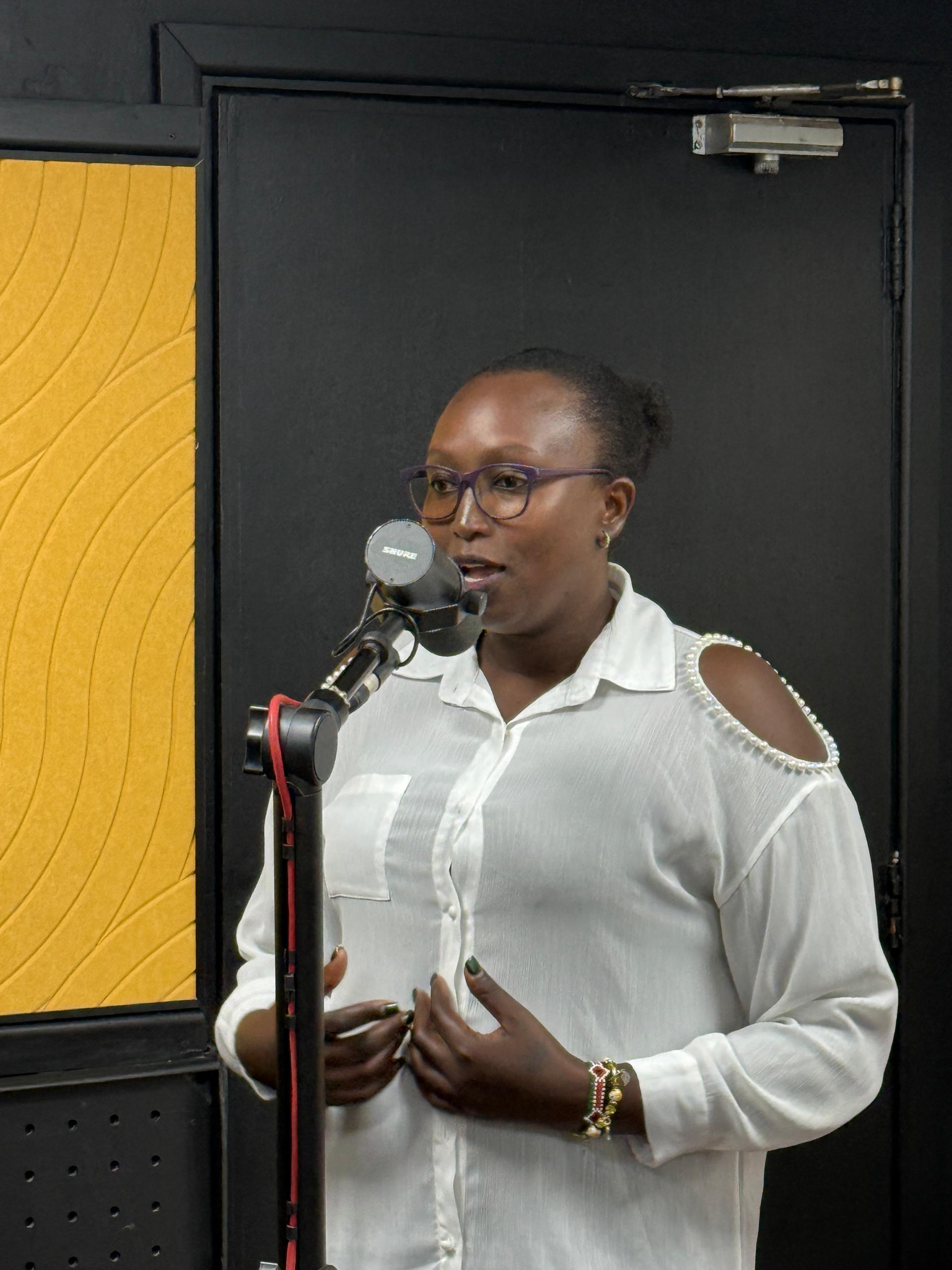
Asked to describe who she was before she married, Annitah does not soften the answer. She calls herself a rebellious, lost, broken, and sad girl who hated her life.
She was not a girly girl. She loved her father deeply and wanted to be like him. She wore trousers, which was not common at the time, and she loved it. Her father called her princess, kissed her hand, and bought her dolls when she was younger. He was her first love.
But as she grew older, her relationship with her mother became strained, and somewhere along the way she developed a real resistance to women. She did not want to listen to women, be associated with them, or have anything to do with them. From about 13 to 17, she was a proper tomboy. No earrings. She wanted to shave her head. She refused to wear skirts or dresses unless it was on her terms. She felt more masculine than feminine.
She also felt she had to be the responsible one, cooking, washing, and taking care of her siblings. As the firstborn, she carried that role. In the middle of all of it, she was deeply rebellious. She started smoking at 14. She was everything society did not want a girl to be, and part of her found freedom in that.
What she really wanted was to be her own person. She did not want society to dictate what she could wear, what she could do, or who she could be. Her father gave her that freedom. He never told her she was a girl and should do certain things. He let her be beautifully unconventional, and she is grateful for that.
But underneath the rebellion, the freedom, and the borrowed confidence was a girl who felt unseen. A girl who had been sexually assaulted at 15. A girl who ran away from home at 13. A girl who felt so deeply different from the world around her that she wondered if there was any space in it for her at all. Sometimes, she still wonders.
What Marriage Meant at 17
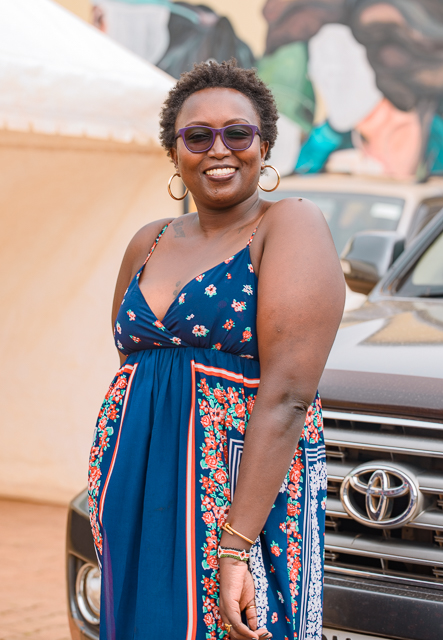
For Annitah, getting married meant escape. That is the honest truth, she says.
By the time she finished high school in November 2007, she knew she was not going back home. She and her mother could not be in the same space without everything falling apart. She was already living with friends, just trying to survive outside of that house.
She met him in a bar on December 24, 2007. They got married on December 31, 2007. She had known him for seven days.
What she remembers is that he held her. He took care of her. He did not try to have sex with her on the first night. He told people she was his girlfriend. He showed her he wanted her. And she was 17, feeling hated and unwanted, feeling like damaged goods after the assault. He wanted her. That was enough.
She did not understand what marriage was. The only marriage she had seen was her parents’, and that was not something to look up to. She had no idea what a healthy marriage looked like. She did not understand the commitment, the responsibility, or what it would demand of her. She was still a child looking for a parent. She wanted him to guide her, to tell her what to do. She was not thinking about forever. She just knew this had to be better than home.
What she also did not tell him, and what took almost a month to say, was that the only experience she had of anything physical was sexual assault. Sleeping next to him every night, knowing he had desires, was terrifying. Eventually they had the hard conversation. But she carried that fear into a marriage she did not understand, at an age she was not ready for, with wounds she had not begun to heal.
What She Lost by Becoming a Wife Before 18
Looking back now, Annitah says she lost herself. She lost her teenage years. She never got to go to campus. She never got to pursue an education, and she was brilliant, she says. She was so smart.
She lost her childhood. She never got to be a normal teenager who gets a heartbreak here and there, who tries dating, who gets to figure out who she is without the weight of a marriage on her shoulders. She went straight from girlhood to wife and mother, and she never looked back because there was no time to look back.
She lost her naivety in love, that beautiful, innocent belief that someone can love you fully and wholly without hurting you. She left her marriage in 2011, and she has not been able to fully commit to anyone since. She gets scared. She is still scared. What if someone hurts her? What if someone breaks her? That fear lives in her because of what that marriage put her through.
She also lost her sanity for a while. It has taken ten years of therapy to begin recovering, and she is crying as she says that, because she genuinely lost so much.
She stayed in violence. She stayed through cheating. She stayed through everything because, as she puts it, women are taught that perseverance is their badge of honour. Don’t leave. Don’t say there are problems. Just stay. And she stayed until she almost died. Until she could not stay anymore.
There is a girl who got lost in that marriage that she does not know if she will ever fully get back. She walked in a child. She left a broken young woman who is still recovering. And that is painful, because she was so naive, and she loved the way she thought people should love, and she expected that love in return. She did not know it would cost her everything.
A Wake-Up Call to Parents and Communities
Annitah wants parents, families, and communities to understand what it means to allow girls to grow up before asking them to take on adult responsibilities.
She does not understand how, in this day and age, parents do not trust their children with money, with choosing their own courses, or with being children, but they trust them with marriage. You do not trust your daughter to decide her future, she says, but you trust her to go and be someone’s wife?
She argues that girls are groomed from birth. Every instruction, make your bed, learn to cook, keep the home, is grooming for marriage. Nothing but marriage. We reduce them to wives before they even know who they are. And then we send them out so young. Sometimes we sell them. Sometimes we just allow them to go. They are still children who need to be parented, who need an education, who need to experience life without the bondage that comes with being a child bride.
What does a 14 or 15-year-old know about living with a man? What do they know about navigating a marriage, raising children, surviving the weight of adult life? As a mother to two children, Annitah says she genuinely does not understand how you can watch your child become someone’s wife and call that a good decision. It is not. It is a failure of that child’s future.
Communities expect so much of girls, yet they are the very communities that are breaking them. You marry a girl off at 15 and still expect her to become a model woman. The double standard is staggering.
If you are hearing this and you know a girl who was married off and you kept quiet, you are part of the problem, she says. Be the person who speaks up. Be the person who says every girl deserves an education, deserves a future she chooses for herself. They are children. They need to be parented, not married.
Comments are closed.