Bawsty: The Brand Making Clothes That Fit Full-Busted Women
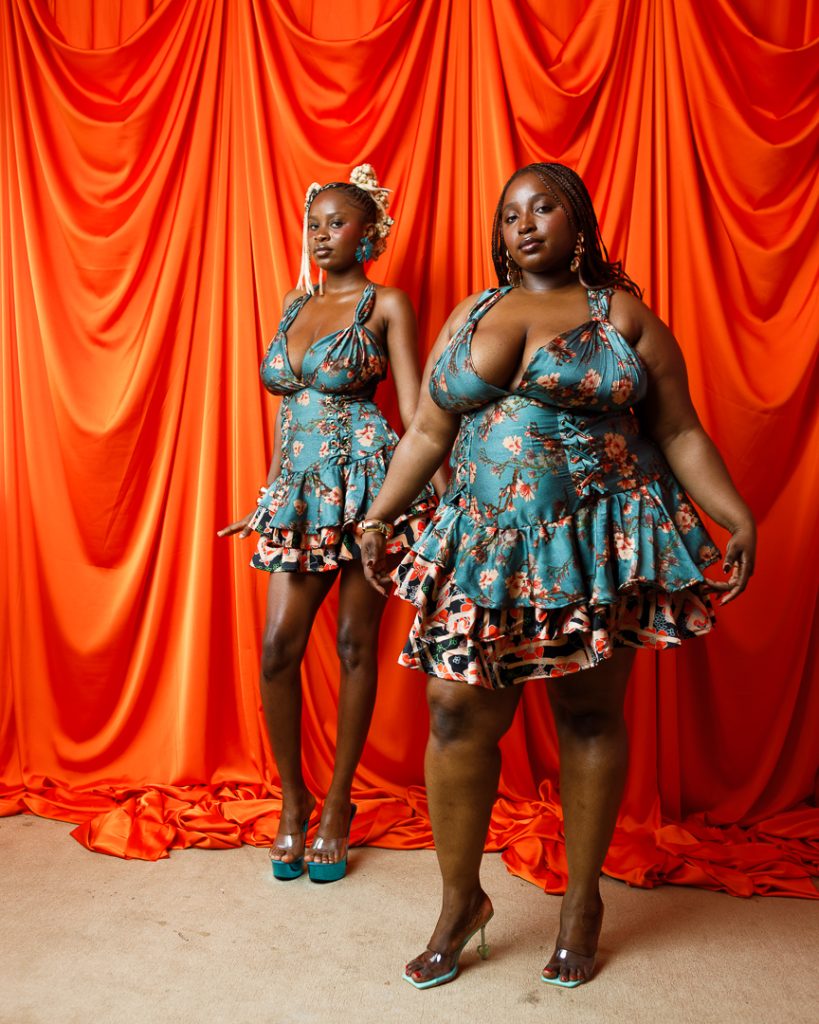
When Renike and Dami first started talking about launching a clothing brand, they weren’t thinking about building a business empire. They were thinking about a simple problem: women with fuller busts often struggle to find clothes that fit properly. That shared understanding became the foundation of Bawsty, a brand designed specifically for full-busted women.
Renike, an illustrator and visual artist, had lived with that struggle herself. Dami, who came from a background in architecture and brand identity design, had spotted a gap in the market. Together, the sisters-in-law turned an idea into a growing company that has stayed true to its mission: making clothes that work with women’s bodies, not against them.
Two Different Paths to Fashion
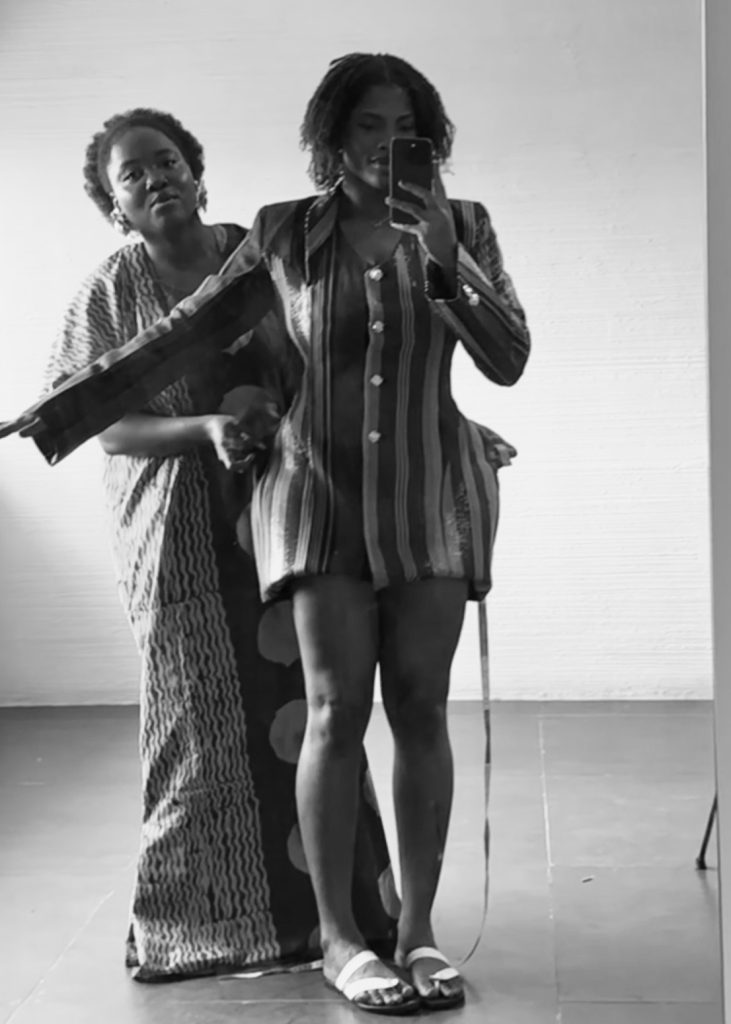
Dami’s interest in fashion started early. She enjoyed putting outfits together and even designed a pair of shoes by cutting up old wedges. But fashion wasn’t an obvious career choice for her. She studied architecture because she liked the mix of creativity and analytical thinking, then moved into brand identity design and eventually ran her own creative studio.
Renike’s relationship with fashion was different. She didn’t grow up with a particular passion for clothes, but as a full-busted woman, she became acutely aware of how difficult it was to find pieces that accommodated her body. That experience made Dami’s idea immediately relatable when she brought it to her.
Their different backgrounds came together when Dami approached Renike with the concept for Bawsty. Renike remembers thinking, “Oh, this is such a good idea. This means I don’t have to struggle to wear clothes again.”
From Sisters-in-Law to Business Partners
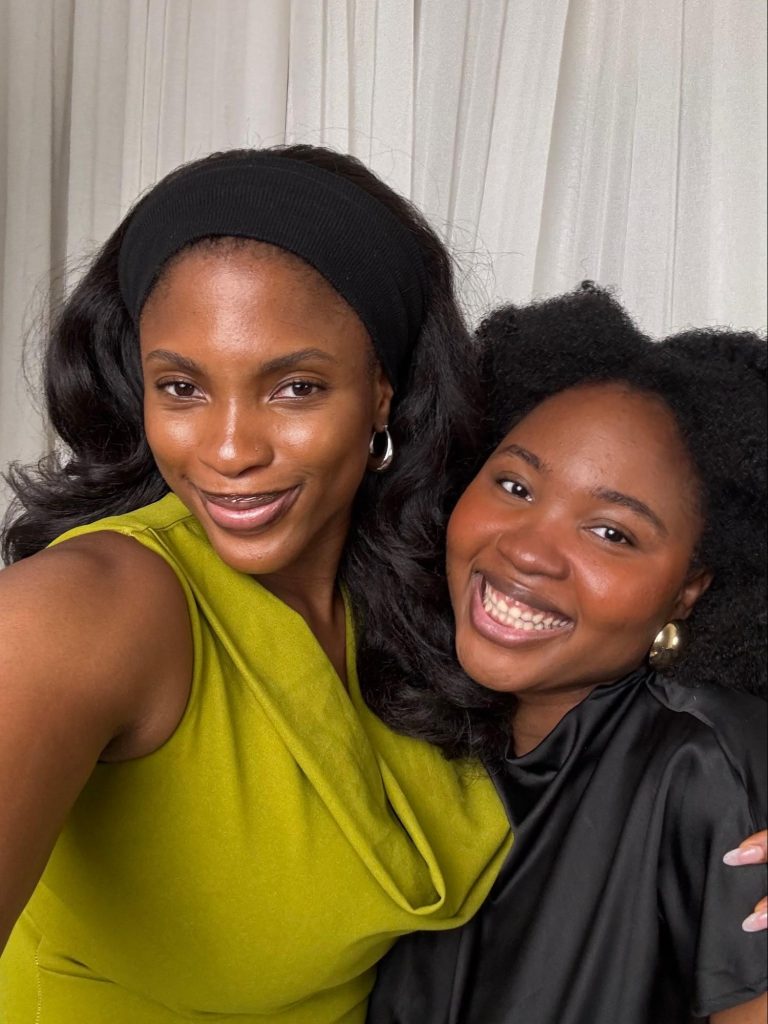
Dami and Renike first met through Renike’s brother, who is now Dami’s husband. Over time, they became close friends, and that friendship laid the groundwork for their business partnership. But both women are quick to point out that friendship alone doesn’t make a good business partner.
For Dami, the key quality is reasonableness. She knows disagreements are inevitable when building a company together, but both people have to be willing to listen, communicate, and work through problems. Renike agrees, noting that being close to someone can make you overlook their shortcomings, but that doesn’t mean they’re the right person for you professionally.
Their relationship gave them a foundation, but working together required them to understand each other in a completely new way.
Learning How to Work Together
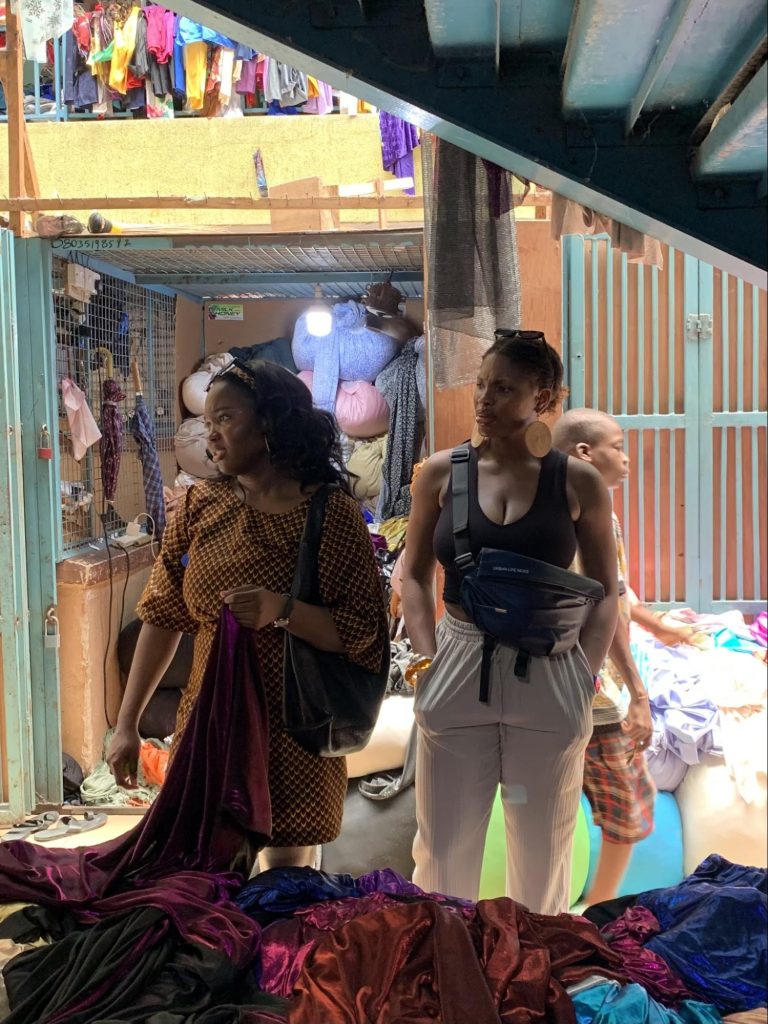
When Bawsty launched, Dami and Renike naturally divided responsibilities based on their strengths. Dami took on creative direction and production, drawing on her design and branding background. Renike focused on marketing and community, building relationships with the women who interacted with the brand.
Working together has been a continuous learning process. Renike says Dami taught her how to be firm while still treating people with respect. She’s watched Dami handle difficult conversations by taking time to think before responding. Dami, in turn, says Renike has taught her to pay closer attention to people and celebrate their personal wins.
Their different approaches sometimes lead to disagreements. Renike recalls a difficult shoot where she became frustrated with the team, and Dami later called her out for how she handled it. They were able to have the conversation, address what happened, and move forward. For them, disagreement is part of working together—they don’t need to see every situation the same way, but they need to be able to challenge each other without damaging the relationship.
Scaling Bawsty Without Losing Sight of the Mission

Bawsty has grown without a large marketing budget. Demand for the clothes has continued to increase, sometimes faster than they can produce them. The growth has attracted investors and created opportunities to expand, but Dami and Renike have been deliberate about the kind of growth they want.
One of their key decisions has been to continue manufacturing in Nigeria, despite challenges with fabrics, skilled labor, and production processes. Dami believes there is value in developing the ability to produce locally rather than relying entirely on manufacturing elsewhere.
As demand increased, they also had to think about pricing. When customers complained about products selling out and some questioned whether the scarcity was intentional, the founders had different instincts. Dami considered increasing prices, but Renike brought the conversation back to the women they had created Bawsty for. They wanted the clothes to remain accessible to women of different incomes, rather than becoming a brand that served only customers who could comfortably pay more.
That conversation reflects one of the choices they’ve continued to make as Bawsty grows. They want the company to expand, but not at the expense of the women who made the brand what it is.
The Body Was Never the Problem

At the center of Bawsty is an idea Dami believes the fashion industry needs to take more seriously: different bodies require clothes that are designed to accommodate them. “The body is never the problem,” she says. “Human beings come in different body shapes and body sizes. If the clothes are not working, then the clothes are the problem.”
That principle goes beyond creating clothes that technically fit. Bawsty wants full-busted women to have options across their wardrobes, rather than being limited to a small selection of styles designed around their bodies as an afterthought.
For Renike, the experience she wants to create is straightforward: she wants women to put on Bawsty clothes and feel good without spending the day worrying about whether their bodies work with them.
The community around the brand has become part of that experience. Customers have supported Bawsty by sharing outfits on social media, recommending it to other women, and providing feedback. For a company that has never relied heavily on paid marketing, that relationship has been important to its growth.
What Comes Next for Bawsty

Dami and Renike have already begun thinking about where else they can take the idea. They’ve discussed categories including shapewear, lingerie, and sportswear, with the possibility of expanding the range of products available to full-busted women.
Renike wants Bawsty to become the brand women think of whenever they need clothes that work for their bodies, from underwear and swimwear to skirts and dresses. She jokes that they want to “take all their money,” but the ambition is to build something that women can return to for more of their wardrobe.
Dami is equally interested in what the company becomes as it grows. She doesn’t want growth to mean losing the closeness between the brand and its community, or turning Bawsty into something that no longer resembles the company they set out to build.
For two people who started with an idea and have spent the last few years figuring out how to turn it into a real business, there is still a lot ahead of them. Yet when asked what they would tell their younger selves, both women look back at the journey in their own way.
Renike says she would tell herself not to be afraid. She would remind herself that she had a good partner and that they would be able to figure things out together. Dami’s answer is simpler: “Well done.”
Bawsty began with an idea that Dami brought to Renike after seeing a gap in the market. Renike understood that gap personally, and together they brought different skills to the work of building a company around it. Their friendship existed before the business, but the business has given them another way to understand each other—through the decisions they make, the disagreements they have, and the things they’ve learned from one another.
Almost four years later, the problem that brought them together remains at the brand’s center. Women have different bodies, and clothes should be made with those differences in mind. For the women behind Bawsty, it comes down to a simple belief: women should not have to change their bodies to fit their clothes. Clothes should be designed to fit them.


Comments are closed.