Beyond Azikiwe and Awolowo: Four Unsung Heroes of Nigeria’s Independence
Nigeria’s independence was not won simply because a few leaders made polite requests in 1960. It was the result of protests, striking workers, and sustained pressure from many quarters. As the nation marks another Independence Day—whether at a parade, watching proceedings on television, or enjoying a public holiday—it is worth remembering some of the less celebrated figures who were instrumental to the struggle.
Hajia Gambo Sawaba
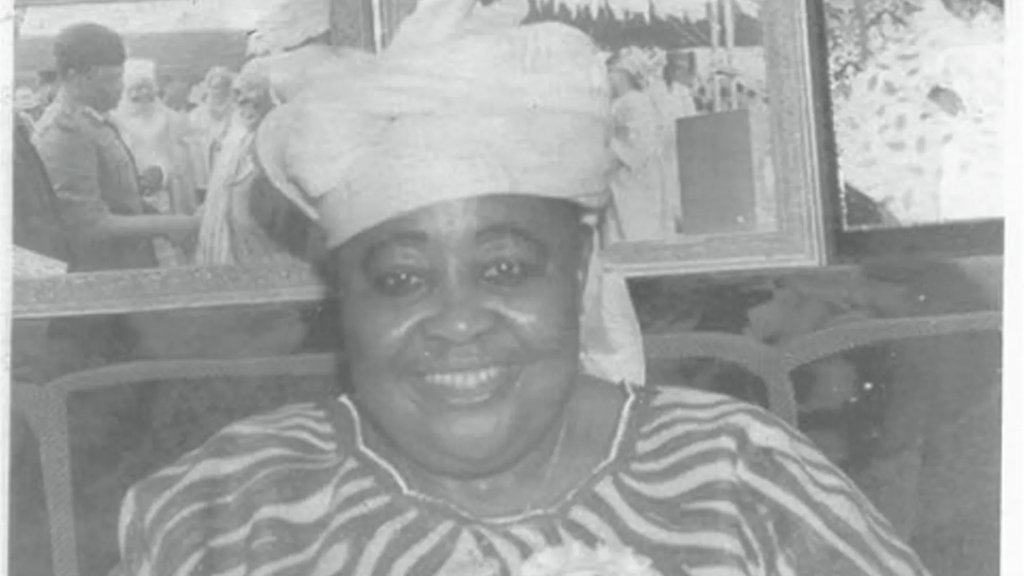
Hajia Gambo Sawaba is sometimes remembered as the most jailed female politician of her time, but her story began long before her prison visits. Born in 1933, she grew up under British colonial rule, which governed Nigeria through an Indirect Rule system that used local authorities to implement colonial policies. In Zaria, where she lived, the Northern Peoples’ Congress (NPC) served as the native authority enforcing British rule in Northern Nigeria.
When Malam Aminu Kano founded the Northern Elements Progressive Union (NEPU), a party focused on women’s rights and education, Sawaba joined at the age of 17. As leader of NEPU’s national women’s wing, she kept pressure on the colonial-backed government. She was a key figure in NEPU’s defiance of British authority and its local allies, despite facing abuse, intimidation, and imprisonment. She often had her head shaved, was once beaten severely in a bush, and endured torture in detention. She died in 2001 from a protracted illness at the age of 71, leaving a legacy of pioneering women’s welfare and political self-determination.
Michael Imoudu
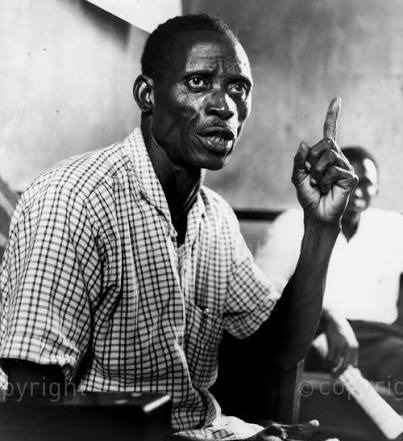
Michael Imoudu was a champion of labour unions at a time when such unions were not widely embraced. Born in 1902 in Edo State, he lost his parents at 20 and began working on the railways as a linesman. He joined the Railway Workers Union (RWU), marking the start of his labour activism. He became union president in 1939, and in 1941 he began demanding that the colonial government improve workers’ conditions.
His efforts helped lead to the 1945 General Strike, which began with the railway union and lasted 45 days, drawing in tens of thousands of workers and spreading to other public services. Reports indicate that this strike and other union activities created a sense of shared national experience through nationwide action that cut across ethnicities and regions, placing further pressure on the colonial government. In 1946, Imoudu was nominated to the executive council of the National Council of Nigeria and the Cameroons (NCNC), a nationalist party founded by Herbert to fight British imperialism and achieve self-government. In that role, he continued to lead trade and labour union fronts challenging working conditions under British rule. He passed away in 2005 at the age of 102 in Oro, Kwara State, long retired from labour unions.
Remi Fani-Kayode
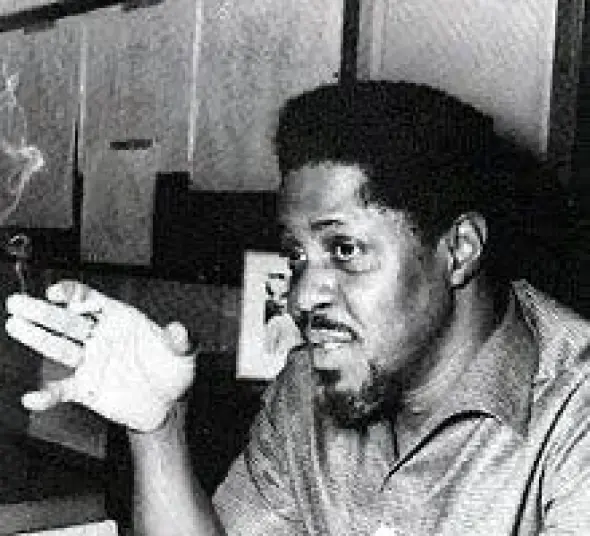
Chief Remi Fani-Kayode was a lawyer and nationalist politician who was elected deputy premier of the Western Region of Nigeria in 1963. He notably moved the motion for Nigeria’s independence in the Federal House of Assembly. Even before that, he was heavily involved in advocacy. In 1954, he was appointed youth wing leader of the Action Group political party and served as assistant federal secretary.
During his time with the Action Group, Fani-Kayode represented ethnic minorities in the Willink Commission of 1957, which was set up to address the concerns of ethnic minorities in Northern Nigeria. His time with the Action Group youth wing was also marked by vibrant movements against British rule. He and his comrades wore black shirts and used a mosquito emblem to express their opposition to colonial rule. He was even detained for it at some point. He passed away in Brighton, England, from natural causes at the age of 73.
Margaret Ekpo
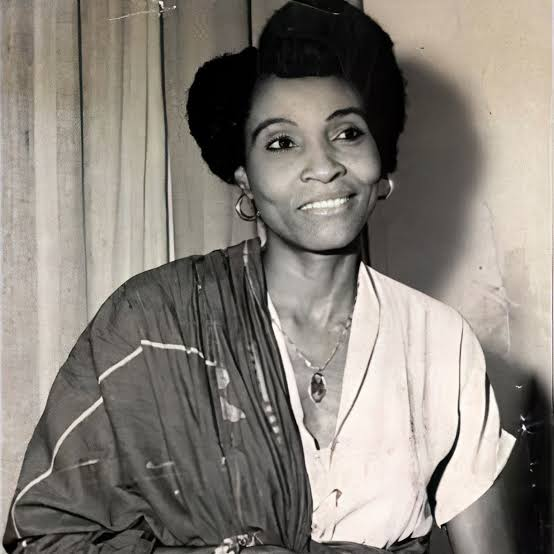
Margaret Ekpo can be regarded as a fierce mobilizer. She was an activist and politician who rallied women across the country to champion their interests. Born in 1914 in Cross River State, she stopped her education at primary six after losing her father in 1934, then became a pupil-teacher. Her first involvement in politics came when she represented her husband at meetings discussing the indiscriminate practices of the colonial leadership. Soon she was mobilising market women into unions to push for women’s economic rights and the political rights of low- to middle-class Nigerians.
Ekpo was a key delegate at the 1953 London Constitutional Conference, which introduced federalism and granted regional autonomy to Nigeria. That conference and others were instrumental in Nigerian independence. From 1958, she became increasingly outspoken in support of Nigeria’s independence from British rule, with a particular focus on women and their role in the struggle. These actions and initiatives were key in the background leading up to the constitutional reforms and political negotiations that secured Nigerian independence. She passed away at 92 from natural causes at the University of Calabar Teaching Hospital.
The Uncelebrated Architects of Independence
On paper, the contributions of these figures are less celebrated or documented than those of the Awolowos and Azikiwes. Yet Independence Day did not arrive in a single speech, political rally, or visit to London. It was assembled from 45-day strikes, women’s protests in Aba, and a handful of people who wrestled their way into rooms where the future was being written. Not all of them appear on our Naira notes, but all of them are part of the reason there is even a country to celebrate on October 1.
Comments are closed.