Dr. Jessica Bwetsha Stevens on Youth, Health, and Why She’s Running for Office in Plateau State
Dr. Jessica Bwetsha Stevens did not wait for medical school to end before she began building. She did not wait for a title, a platform, or a formal position. Looking at the young people around her — their health, their rights, their futures — she concluded that waiting was precisely the mindset that allowed problems to persist. So she built something: Ideal Community Aid Africa, an organisation that began as a conviction and grew into a structure focused on adolescent health, rights, dignity, and leadership. Its founding belief is simple — young people deserve not only information but the confidence and opportunity to act on it.
That work gave Jessica something else as well: a clear understanding of what it takes to change the systems that shape people’s lives. Advocacy matters. Community work matters. But policy matters too, and that is where she is headed next.
At 28, Dr. Jessica Bwetsha Stevens is a medical doctor, community development advocate, entrepreneur, and political aspirant seeking to represent Jos South in the Plateau State House of Assembly. Her work spans community health, grassroots advocacy, youth engagement, and social development. Through all of it, one conviction has held firm: meaningful change cannot be postponed until conditions are perfect, the room is ready, or someone grants permission to begin.
In this conversation, Jessica reflects on the journey that brought her here, the lessons from community-level work that she believes most politicians never encounter, and what she wants every young Nigerian woman watching her to know about whether she belongs in public life.
Before the Titles: A Girl from Jos
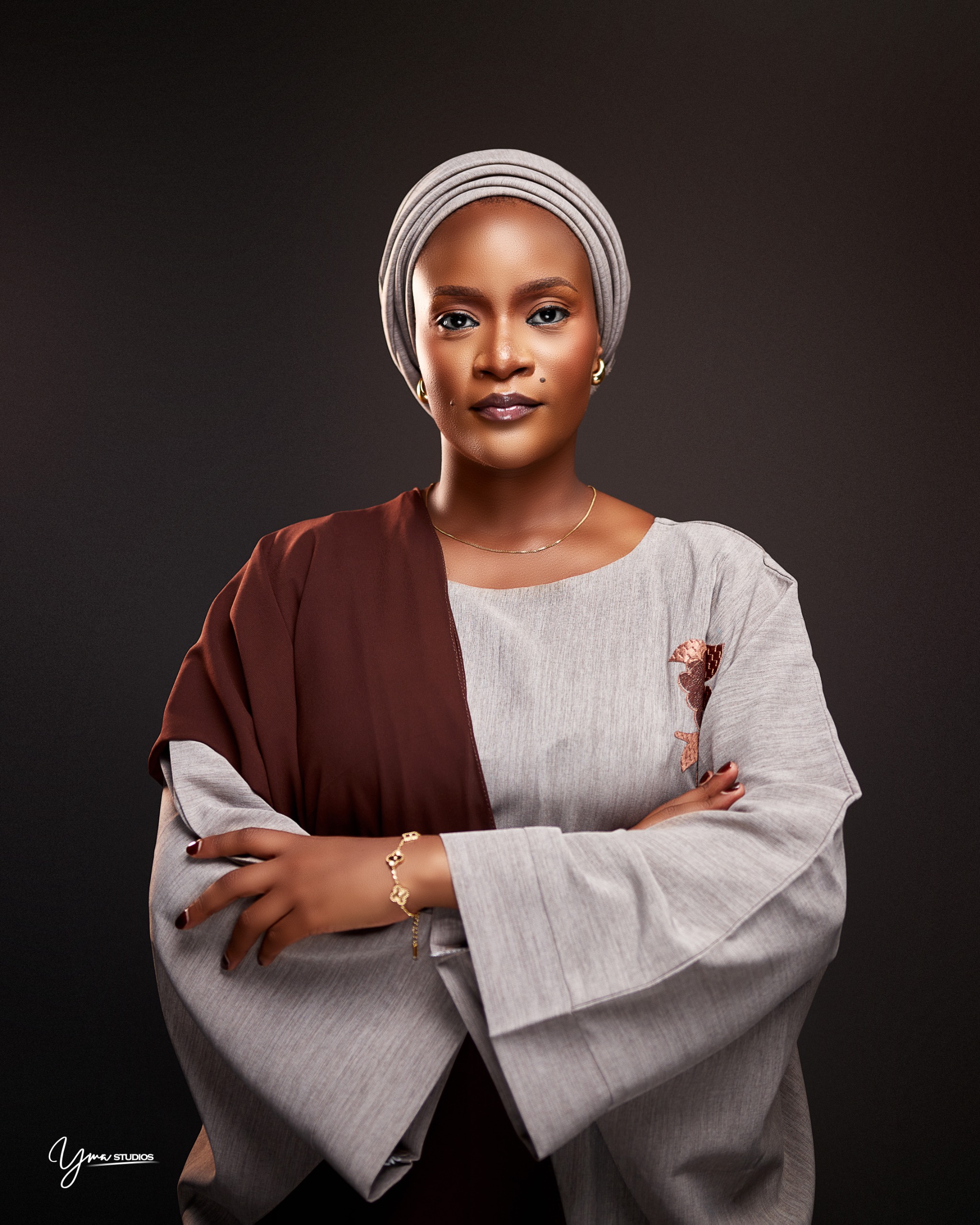
Asked who she is before her many titles, Jessica describes herself simply as a girl from Jos who has always believed her life should mean something beyond herself. She is 28 now, but she began this journey while still in school — volunteering, organising, working with young people, and trying to solve problems long before she had a title for any of it.
She also speaks openly about self-doubt. She has known what it feels like to be underestimated and to wonder whether she is truly qualified for the things she dreams about. What has shaped her most, she says, is learning to move even when she does not feel completely ready.
Each part of her background has taught her something distinct: medicine taught her to care for people, community work taught her to listen to them, entrepreneurship taught her resilience, and leadership keeps teaching her that purpose is rarely one dramatic moment — it is a series of small decisions to keep showing up. At her core, she says, she is still a young woman trying to leave every space better than she found it.
From Advocate to Candidate: Why She Put Her Name Forward

Women remain significantly underrepresented in political leadership, and many with the ambition or capacity to lead never make the leap into politics. For a long time, Jessica was comfortable doing the work from the outside — advocating, organising communities, building programmes, and helping where she could.
Eventually, she began asking herself a difficult question: how long do you keep complaining about the people in the room without being willing to enter the room yourself? She came to see that some of the problems she cared about were not just charity problems — they were policy problems, budget problems, and representation problems.
Putting her name forward was frightening, she admits, because suddenly the criticism becomes personal. But she also realised she could not keep telling young women to be courageous while protecting herself from the very spaces she was asking them to enter. For her, politics became the next expression of service, not a departure from the work she had already been doing.
What Medicine and Community Work Taught Her About Governance
Medicine taught Jessica that symptoms usually have a story behind them. You can treat a patient today, but when they return to the same poverty, poor infrastructure, unemployment, inaccessible healthcare, or lack of opportunity, you begin to understand that some of the illnesses treated in hospitals are connected to decisions made far outside the hospital.
Community work reinforced that lesson. People do not experience government as policy documents, she says; they experience it through whether the clinic works, whether their child can learn, whether they can earn a living, whether their road is usable, and whether anybody listens when something is wrong. That is the perspective she wants to carry into governance: policy has to become human again, because behind every statistic is somebody’s actual life.
Unlearning Expectations of Women in Public Leadership
Entering politics as a woman often means navigating expectations about how women should behave, speak, and lead. Jessica says she has had to unlearn the idea that being a “good woman” means constantly making yourself smaller so that other people remain comfortable.
Women are often taught to soften their opinions, apologise before speaking, avoid appearing too ambitious, and somehow be confident without looking “too confident.” Politics confronts that conditioning quickly. She is learning that she can be kind without being timid, listen and still disagree, and be feminine and still be formidable. She does not have to apologise for wanting influence, she says, if the reason she wants it is to use it responsibly.
She is also learning not to wait until everyone approves of her before she moves. Public leadership, she notes, teaches very quickly that universal approval is an impossible job description.
What Young Nigerians Want from Representation
From her conversations with young people, one frustration comes up repeatedly: they are tired of being described as “the future” while having very little influence over the present. Young people do not simply want politicians to take pictures with them. They want access. They want opportunity. They want to know that their ideas can become businesses, that their talents can become careers, and that where they come from will not determine how far they can go.
Meaningful representation, to Jessica, means being accessible enough to hear people before decisions are made — not only when another election is approaching. It also means creating pathways. If young people are said to be innovative, where are the systems supporting their innovation? If they are urged to participate, where are the seats being created for them? Representation, she argues, should not simply give people a voice; it should give that voice somewhere to go.
Why Capable Women Stay Out of Politics
Jessica believes there are women already leading brilliantly in hospitals, businesses, organisations, classrooms, and communities who still look at politics and think, “That space is not for someone like me.” And sometimes, she says, you cannot blame them.
She points to the cost of politics, gatekeeping, intimidation, public scrutiny, and the different standards women are often held to. A man can be ambitious and it is considered confidence; a woman can express the same ambition and people begin asking whether she is “too much.”
Beyond changing institutions, Jessica believes what women believe is possible for themselves must also change. She calls for more women entering politics before they feel perfectly prepared, supporting one another once they arrive, and refusing the idea that there can only be room for one woman at the table. We do not simply need women occupying seats, she says — we need women helping to redesign the room.
Priorities and Vision for Jos South
Jessica’s vision is a constituency where opportunity is visible in people’s everyday lives. Youth employment and entrepreneurship are particularly important to her. She wants to see young people move from merely searching for opportunities to being equipped to create them, through skills, technology, enterprise, and stronger connections between talent and the economy.
Healthcare, education, and stronger community infrastructure matter deeply to her as well. But she is also conscious of what the role of a legislator actually is, and she does not want to make promises for powers the office does not have. Her responsibility, as she describes it, would be to make good laws, scrutinise budgets, advocate fiercely for her constituency, and ensure that government resources are used in ways that genuinely reach people.
She also wants representation to feel accessible. People should not only know their representative from posters; they should know where to find her, how to reach her, and how to hold her accountable. That, to her, is what representation should look like.
A Message to Women Still on the Sidelines
To other Nigerian women who may want to enter politics but are still sitting on the sidelines, Jessica’s message is direct: do not wait for the room to send you an invitation.
At 28, she says, there have been many moments on this journey when she has asked herself, “Who do you think you are to do this?” But she has learned to answer that question differently: “Why not me?”
You do not have to arrive fearless, she says. You do not have to know everything. You do not have to look like the people who have traditionally occupied political spaces. You simply have to believe that your perspective, your competence, and your lived experience are valuable enough to bring into the room. And when you enter, do not only fight for your own seat — make the doorway wider for the woman coming behind you.
Because sometimes courage is not the absence of doubt. Sometimes courage is deciding that doubt will not make the decision for you.
Comments are closed.