Emmy Awards Move to Amazon Prime Video in Historic Six-Year Deal
The Emmy Awards are leaving traditional broadcast television behind. The Television Academy has signed a six-year agreement with Amazon Prime Video, ending a seven-decade run on legacy broadcast networks. Starting in September 2027, the ceremony will no longer air on network television, marking a structural shift away from the legacy media model that long defined the event.
The deal eliminates the classic rotating arrangement shared by ABC, CBS, Fox, and NBC. The global broadcast will stream free of charge to audiences in more than 200 countries, and viewers will not need a paid Prime subscription to watch. The move signals that live prestige television is increasingly finding its home on digital streaming platforms.
The End of the Wheel Deal
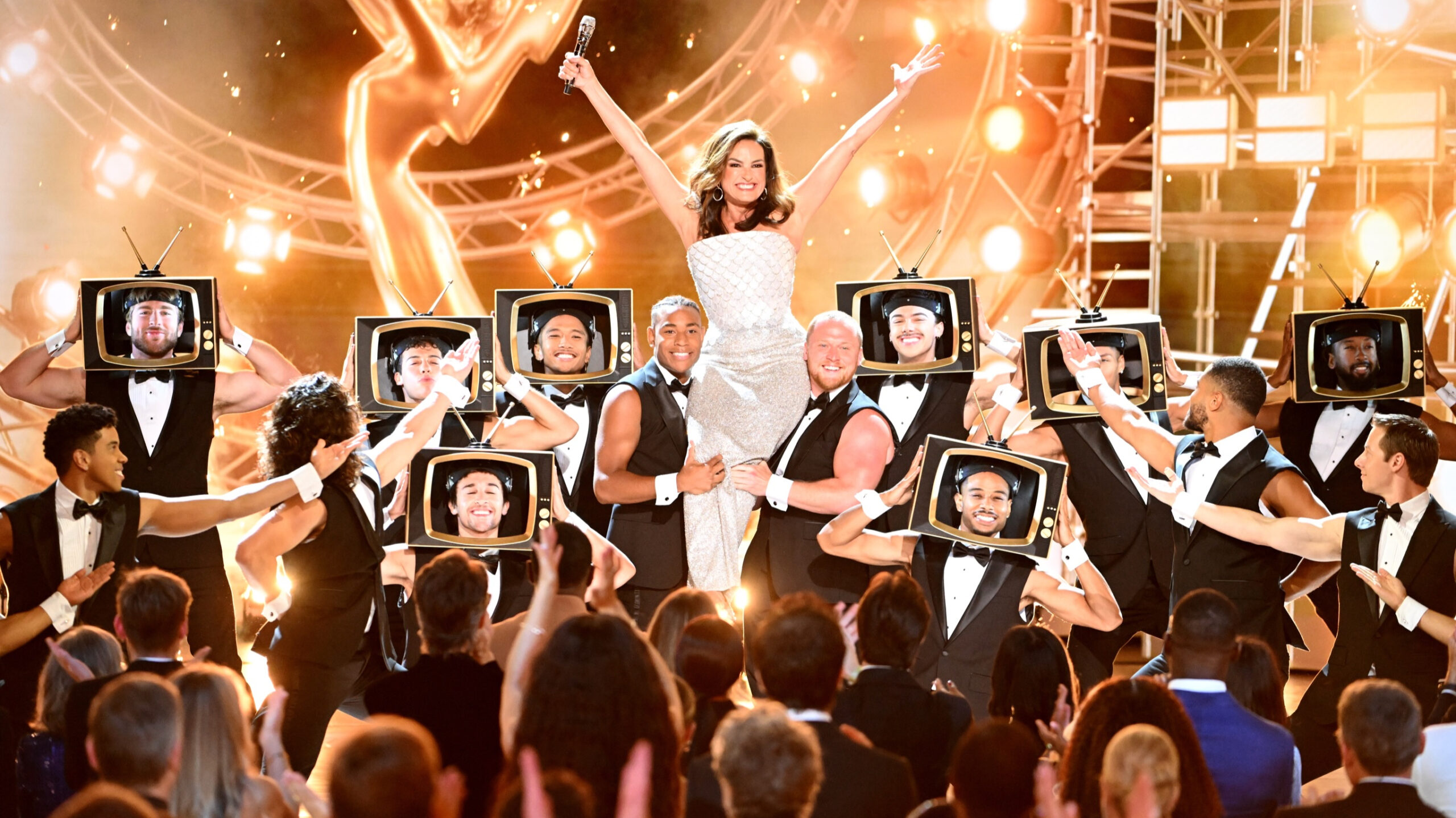
For more than 30 years, the Emmy Awards operated under a rotating broadcast system known as the Wheel Deal. The arrangement allowed ABC, CBS, Fox, and NBC to take turns hosting the high-profile awards ceremony.
According to a Wall Street Journal article cited in industry analysis, the system collapsed after the September 2026 NBC broadcast failed to sustain its historic viewership levels. The final broadcast under the traditional model drew 6.7 million viewers globally, a 10 percent decline from the previous year. The numbers showed network executives that traditional over-the-air television could no longer deliver the massive live audiences advertisers once expected from premium events.
Why the Rotation Became Unsustainable
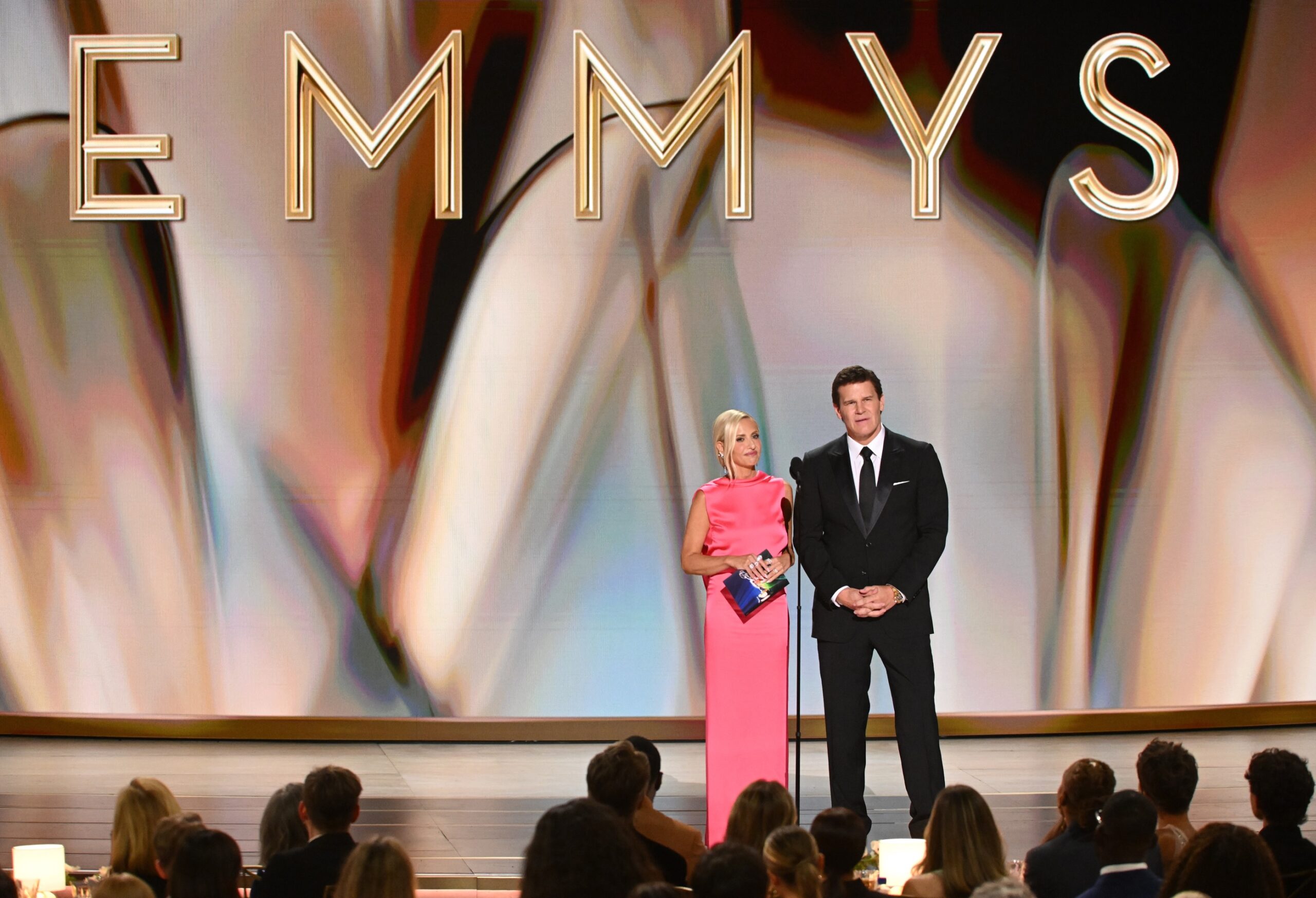
Continuity had become difficult under the rotating network system. Each year, the Television Academy had to rebuild its production strategy with a different network partner. The Associated Press reported that the administrative process limited long-term creative planning and weakened the ceremony’s cultural impact.
Television Academy Chair Cris Abrego highlighted the problem in a recent press interview. Under the previous rotation, organizers often did not begin planning until March or April. The new long-term deal with Amazon allows production teams to start developing the following year’s telecast immediately.
The Financial Realities Behind the Shift
Public financial filings show that the four major broadcast networks collectively paid roughly $9.5 million annually for the television rights. The license fee did not cover the substantial production costs of staging a major Hollywood gala.
Reports compiled by Benzinga indicate that Amazon offered between $20 million and $25 million per year. The deal establishes a new financial baseline for the Television Academy. The stable revenue stream can support its year-round programs without depending as heavily on volatile advertising markets. The partnership offers financial security that traditional network television could no longer provide at the same level.
A Global Streaming Frontier
The entertainment industry has undergone a major transformation as streaming services have become central to prestige content. Recent award ceremonies have also demonstrated the growing influence of streaming platforms and digitally distributed programming.
Streaming platforms have the international infrastructure to distribute live events worldwide. Traditional American broadcast networks remain tied to domestic schedules and geographic limitations. Prime Video can deliver the live ceremony directly to viewers around the world through a single digital platform.
Borderless Viewership
“Television has never been more global,” Abrego said while explaining the strategic benefits of the transition. As the BBC reported, he emphasized that the Emmys should be a universal celebration that audiences around the world can share.
The multiyear agreement covers more than 240 countries and territories. That represents a significant expansion in distribution compared with the localized reach of traditional American broadcasters. International fans will be able to participate in the ceremony in real time without relying on regional broadcast schedules.
Attracting Younger Audiences
Legacy media outlets are dealing with an aging viewer base as younger audiences increasingly favor on-demand digital platforms over cable and over-the-air television. The Television Academy sees the streaming move as an opportunity to reach a younger audience.
Amazon executives can use the company’s retail and entertainment ecosystem to promote Emmy-nominated series throughout the year. Prime Video can connect nominated shows with viewers while Amazon’s broader platform can introduce those titles to potential audiences. That exposure could build anticipation among viewers who rarely watch linear television.
Reimagining Live Entertainment Infrastructure
The Emmy Awards’ move is part of a broader shift in the media industry as major live entertainment properties move away from traditional television networks. Netflix has exclusively streamed the Screen Actors Guild Awards since 2024. Google has also secured exclusive global broadcast rights for the Academy Awards. Beginning with the 2029 ceremony, the Oscars will move to YouTube after leaving ABC.
These moves show how technology companies are gaining control of some of the most valuable properties in traditional television.
Building Year-Round Momentum
A permanent streaming home gives the Television Academy an opportunity to create a more consistent brand identity. Under the previous model, the Emmys functioned largely as an annual television event. Amazon can now integrate Emmy-related programming and promotion into its platform throughout the year.
Mike Hopkins, head of Prime Video and Amazon MGM Studios, expressed enthusiasm for the partnership. He said streaming the Emmys for free will deliver the ceremony to a global audience while creating new ways for fans to discover and celebrate premium television.
What the Shift Means for Broadcast Networks
The shift leaves traditional broadcast networks with fewer major events capable of maintaining their cultural relevance. Live sports and awards shows have long been among the strongest draws for linear television. As technology companies acquire more of these properties, legacy networks face growing pressure to redefine their role.
The distinction between streaming services and traditional broadcast networks continues to narrow. The Television Academy has recognized that the value of a major television event is no longer determined by the type of network delivering it. By moving the Emmys to Amazon Prime Video, the Academy is committing to a digital-first future for one of television’s biggest nights.
Comments are closed.