Pregnant and Fired: A Women’s Rights Advocate’s Story of Workplace Betrayal
In a deeply personal account, a 27-year-old mother of two from Kaduna, Nigeria, has shared how she was systematically sidelined by her employer—a non-profit organization dedicated to advancing women’s rights—after she got married and became pregnant. Her story reveals a painful irony: the very institution that fought for gender equality subjected her to the discrimination she had spent years working against.
A Career Built on Passion and Proving Herself
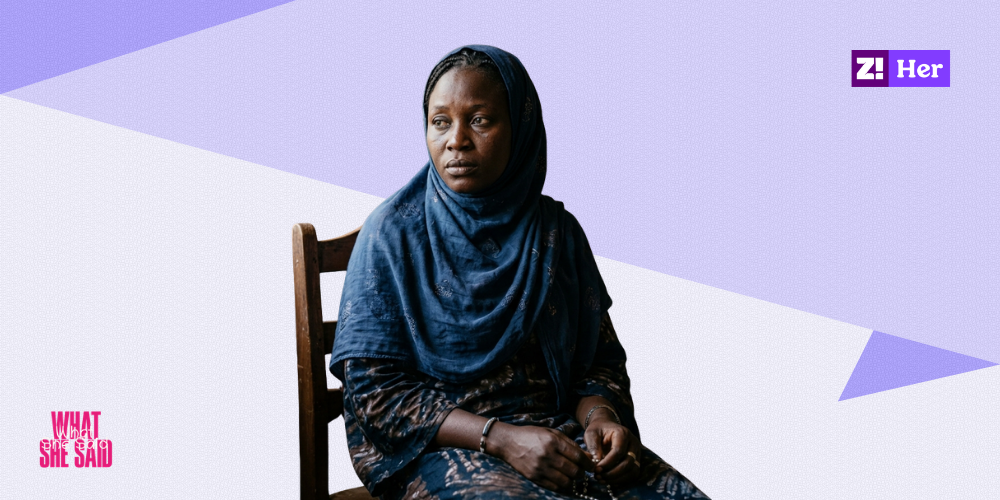
Zima (name changed for privacy) grew up in northern Nigeria, where societal expectations often limit women to marriage and family. She credits her parents for valuing her education, which allowed her to pursue a career. For years, she worked as a full-time advocacy officer at a non-profit focused on women’s rights—a job she believed in deeply and performed with dedication.
Despite her academic qualifications and commitment, she faced constant gender bias in the workplace. Male colleagues would suggest she go home and let a man finish her tasks, and during community engagements, only men were allowed to greet village heads—an irony not lost on her, given her line of work.
The Subtle Shift After Marriage
When Zima got married, the dynamics changed in unexpected ways. She noticed that colleagues began addressing her as “Mrs Ahmad” instead of her name, a form of respect not extended to her unmarried female peers. More troublingly, she was excluded from work trips with comments like, “You can’t go because of your husband,” despite never indicating she needed permission.
This pattern extended to her professional achievements. After spending three weeks crafting a proposal, she was not allowed to present it to partners; instead, a single female colleague was chosen. No one asked Zima if she was comfortable with the decision.
Pregnancy: The Turning Point
When Zima became pregnant, the situation worsened. She discovered—through a younger colleague who was honest enough to tell her—that she had been hired to replace Zima. At the time, Zima was working on a critical grant application. Even after securing thousands of dollars in funding, she was not informed. She later learned by accident that she was expected to hand over all project information to her replacement.
“It broke something in me,” Zima recalls. “I was still the same person. I was just pregnant.”
Unpaid Maternity Leave and a Cold Termination
Months later, Zima received an email from HR mandating that she go on maternity leave—unpaid, as the organization claimed it lacked funds. She was told to submit her laptop and ID card, and she complied. During her leave, she was asked to work on final reports for projects she had been removed from, which she did out of a sense of responsibility.
While working on these reports, she discovered that the organization had more money for the projects than they had claimed. She had even used personal funds to execute parts of the projects. The final blow came on December 31, when HR contacted her via WhatsApp to say she was no longer recognized as staff. Her colleagues were never informed; many believed she was still on maternity leave.
The Pain of Betrayal by a Women’s Rights Organization
Zima’s anguish is compounded by the nature of her employer. “This is an organization that swears it is fighting for gender equality, yet enforces unpaid leave on a pregnant woman,” she says. She points out that while she led campaigns on breastfeeding, there was no private area for nursing mothers. The office had prayer spaces, but a breastfeeding room was deemed unnecessary.
She also notes that the organization had only one woman in leadership, despite its public stance on non-discrimination. “We cannot advocate for a better Nigeria while workplace issues like this remain acceptable,” she asserts.
A Call to Action for Women
Zima hopes her story will inspire other women to demand better. “Pregnancy should not be treated like a character or professional flaw,” she says. She admits that she accepted a terrible form of discrimination and urges women to fight for the benefits they deserve.
Her experience underscores the urgent need for reforms to Nigeria’s parental laws, which currently guarantee only 12 weeks of maternity leave with a minimum of 50% pay. Experts have recommended extending this to 16 weeks of fully paid leave and adding at least 14 days of paid paternity leave.
For Zima, the loss was not just financial—it was the shattering of a dream she had genuinely believed in. Her story is a stark reminder that even organizations championing women’s rights can fail the very women they claim to serve.
Comments are closed.